You Won’t Believe What This Dutch City Hides – Groningen’s Best Kept Leisure Secrets
Groningen, often overlooked for flashier Dutch cities, is a treasure trove of relaxed charm and unexpected leisure gems. I was amazed by how much fun hides in plain sight—from cozy cafés tucked into quiet courtyards to vibrant cultural hubs buzzing with energy. It’s not about grand sights; it’s about the vibe, the people, and the simple joy of slowing down. This city doesn’t shout, but once you tune in, you’ll wonder why you didn’t come sooner. With its flat terrain, compact center, and deeply rooted culture of balance, Groningen offers a refreshingly human approach to leisure—one that prioritizes connection, comfort, and calm over spectacle.
City Life at Ground Level: Exploring Groningen’s Cafés and Courtyards
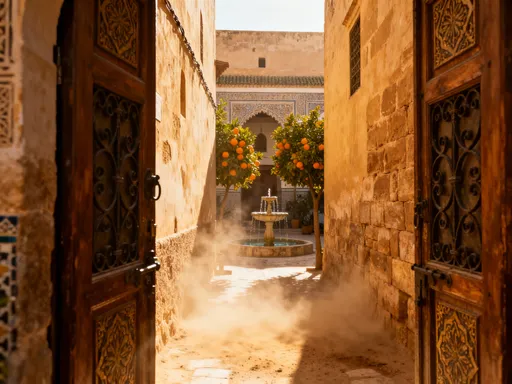
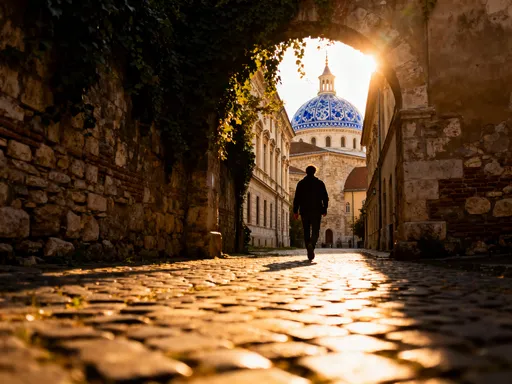
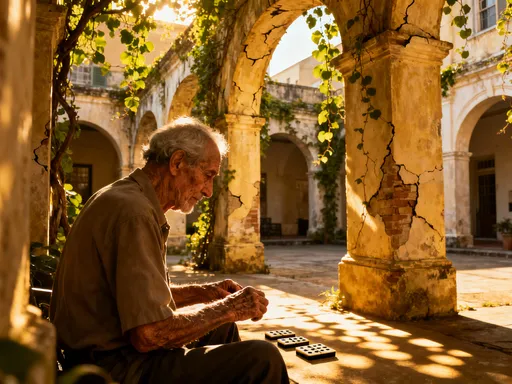
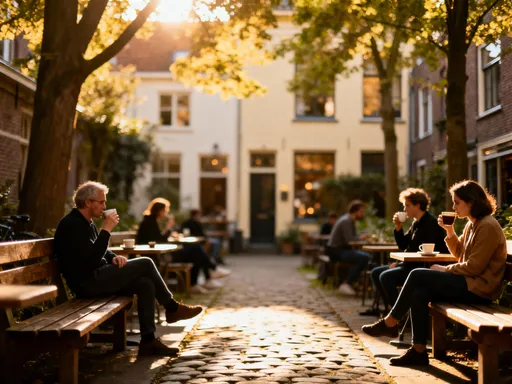
Walking through Groningen’s historic center feels like stepping into a rhythm all its own. Unlike the hurried pace of Amsterdam or the tourist-packed lanes of Utrecht, this northern city moves at a gentler tempo. One of the best ways to experience this is by exploring its intimate cafés and hidden courtyards, known locally as hofs. These are not grand plazas but quiet green spaces tucked behind unassuming doorways, accessible only through narrow alleyways or arched passages. Many date back centuries, originally built as communal gardens for residents of shared housing blocks. Today, they remain protected as public oases, each with its own personality—some lush with ivy and climbing roses, others furnished with simple benches and bird feeders.
The café culture here complements these spaces beautifully. Rather than flashy espresso bars or themed chains, Groningen excels in the art of the neighborhood haunt—small, unpretentious spots where locals gather for a morning coffee, an afternoon pastry, or a quiet glass of wine in the evening. Take, for example, a typical Tuesday at a café near the Grote Markt. Sunlight filters through large windows as retirees read newspapers, students sketch in notebooks, and parents sip tea while toddlers play quietly in the corner. There’s no pressure to turn over tables or order constantly. The emphasis is on lingering, on presence.
These ground-level experiences form the backbone of daily leisure in Groningen. They reflect a cultural value deeply embedded in Dutch life: gezelligheid, a word that defies direct translation but conveys warmth, togetherness, and a sense of belonging. It’s found in the soft glow of string lights in a winter courtyard, in the shared smile between strangers at a crowded counter, in the way a barista remembers your usual order after just two visits. For visitors, embracing this pace means setting aside itineraries and allowing space for unplanned moments—sitting still, observing, and simply being.
Culture That Connects: Museums and Theaters with a Local Pulse
Groningen’s cultural scene thrives not because of its scale, but because of its authenticity. The city’s institutions are designed to be part of everyday life, not reserved for special occasions. At the heart of this is the Groninger Museum, a striking modern structure that rises like a collection of colorful puzzle pieces along the city moat. Its bold architecture—designed by Italian architect Alessandro Mendini—stands in playful contrast to the surrounding historic buildings, yet it feels entirely at home here. Inside, the museum avoids the hushed solemnity often associated with art spaces. Instead, it fosters interaction, with rotating exhibitions that blend contemporary art, design, and regional history in accessible ways.
What sets the Groninger Museum apart is its commitment to community engagement. It hosts free family days, creative workshops for children, and evening events that transform galleries into social spaces with live music and drinks. Admission is reasonable, with discounted rates for seniors and families, and many locals include it in their monthly outings. The museum also partners with schools and neighborhood groups, ensuring that its offerings resonate beyond the typical museum-going demographic. This inclusive approach reflects a broader philosophy in Groningen: culture should be lived, not just observed.
Equally vibrant are the city’s performance venues. The Stadsschouwburg Groningen, located near the central station, is a hub for theater, dance, and spoken word. Unlike larger cities where such venues can feel formal or distant, this theater maintains an intimate atmosphere. Programming often includes Dutch-language productions that reflect local themes—family dynamics, social change, everyday humor—making them relatable to residents. Subtitles are occasionally provided for non-Dutch speakers, and the theater’s café hosts pre-show talks, creating opportunities for dialogue.
For visitors, the takeaway is clear: cultural experiences in Groningen are not about ticking off a checklist. They are invitations to participate, to listen, and to connect. Whether attending a small gallery opening in a converted warehouse or enjoying an outdoor summer concert in the Vismarkt square, the emphasis remains on accessibility and warmth. These spaces don’t demand perfection or prior knowledge—they welcome curiosity.
Green Escapes: Parks and Outdoor Relaxation
In a country renowned for its green spaces, Groningen stands out for how seamlessly nature is woven into urban life. The city’s parks are not afterthoughts but central to its identity as a place that values well-being and balance. Noorderplantsoen, one of the oldest and most beloved parks, exemplifies this. Laid out in the 19th century in the English landscape style, it features winding paths, ornamental ponds, and clusters of mature trees that provide shade in summer and golden hues in autumn. Families picnic on blankets, couples stroll hand in hand, and retirees feed ducks along the water’s edge. A small bandstand hosts weekend concerts during warmer months, adding a gentle soundtrack to afternoons spent outdoors.
Equally important is the Hoendiep, a green corridor that follows an old city canal. Once part of the defensive moat system, it has been transformed into a linear park with walking and cycling trails. Unlike more manicured spaces, Hoendiep feels slightly wilder, with reeds along the water and birds nesting in the trees. It’s a favorite among those seeking quiet reflection or a peaceful walk after work. The city maintains clear signage and safe, well-lit paths, making it accessible year-round. In winter, when frost covers the grass, it becomes a serene landscape of stillness and soft light.
These green spaces are more than decorative—they are functional extensions of home and workplace. Many offices in Groningen are within a ten-minute walk of a park, allowing employees to take meaningful breaks in nature. Schools incorporate outdoor learning, and community groups organize seasonal clean-up days, reinforcing a shared sense of stewardship. The city government supports this with policies that protect green areas from development and promote biodiversity through native planting and pollinator gardens.
For visitors, spending time in these parks offers a window into the Dutch concept of balans—balance between work and life, activity and rest. There’s no pressure to achieve or perform. A walk here is not exercise for the sake of fitness; it’s leisure with purpose. It’s where conversations deepen, ideas form, and stress dissolves. In a world that often equates productivity with worth, Groningen’s parks quietly resist that notion, reminding everyone that rest is not idle—it is essential.
Active Leisure: Cycling, Boating, and Urban Adventures
Cycling in Groningen is not just transportation—it’s a way of life, deeply integrated into how people experience leisure. With over 70% of trips in the city made by bicycle, the infrastructure is exceptional: wide, well-maintained paths, priority at intersections, and abundant secure parking. But what truly sets it apart is the atmosphere. Cycling here feels communal. You’ll see friends riding side by side, chatting as they go; parents with children in cargo bikes heading to the park; students with backpacks and books balanced carefully on handlebars. There’s a sense of ease, a lack of rush that makes biking not just practical but enjoyable.
For visitors, renting a bike is one of the best ways to explore. Numerous rental shops near the central station offer sturdy, comfortable models with adjustable seats, lights, and locks. Many provide maps of recommended routes, including scenic loops along the city canals or longer paths leading into the surrounding countryside. One popular option is the route along the Drentsche Aa, a protected stream valley with forests, meadows, and small villages. Even within the city, cycling reveals hidden corners—quiet residential streets with flower-filled window boxes, repurposed industrial buildings turned into creative studios, and unexpected views of church spires above red rooftops.
Beyond cycling, water-based activities offer another dimension of leisure. The city’s canals and adjacent rivers are used for kayaking, stand-up paddleboarding, and small electric boating. Rentals are available seasonally, with operators providing brief safety instructions and suggested routes. Gliding along the water at a slow pace allows for a unique perspective—watching swans glide past, spotting kingfishers in the reeds, or seeing the city’s architecture reflected in the still surface. These activities are not adrenaline-fueled adventures but meditative experiences, aligned with Groningen’s overall ethos of calm engagement.
Self-guided walking and cycling tours, often themed around history, architecture, or street art, further enrich the experience. Available through local tourism offices or mobile apps, they allow visitors to explore at their own pace, with stops at cafés or parks along the way. The emphasis is never on covering ground quickly, but on noticing details—the pattern of a cobblestone path, the sound of church bells, the scent of blooming linden trees in June. In Groningen, active leisure is not about pushing limits; it’s about deepening connection—to the place, to others, and to oneself.
Student Energy: How Youth Shapes the City’s Leisure Scene
With a population of around 230,000, Groningen punches well above its weight in cultural vibrancy, thanks in large part to its university. The Rijksuniversiteit Groningen (University of Groningen), founded in 1614, brings tens of thousands of students to the city each year. This influx of young people infuses the city with energy, creativity, and a constant sense of renewal. It also shapes the leisure landscape in distinctive ways. Student life here is not confined to campus—it spills into the streets, cafés, and community spaces, creating a dynamic yet inclusive atmosphere.
One of the most visible effects is the abundance of affordable, informal gathering spots. Study cafés—cafés that stay open late and welcome students with laptops and textbooks—are common. They offer reliable Wi-Fi, power outlets, and a steady supply of coffee and simple meals. But they are not silent libraries; conversation hums in the background, and the mood is relaxed. On weekends, these same spaces often transform into venues for open mic nights, board game evenings, or small acoustic performances. The line between studying and socializing blurs, reflecting a culture that values both productivity and connection.
Live music is another hallmark of student-driven leisure. From jazz in a basement bar to indie bands in a converted warehouse, there’s always something happening. Many venues offer free or low-cost entry, especially on weeknights, making culture accessible to everyone. The Vera complex, for instance, has been a staple of the alternative music scene for decades, known for its raw acoustics and diverse lineup. It’s not glamorous, but it’s real—exactly the kind of place where lifelong musical tastes are formed.
This youth influence also fosters experimentation. Pop-up events—temporary markets, art installations, themed dinners—appear regularly, often organized by student groups or young entrepreneurs. They bring freshness and spontaneity to the city’s rhythm, ensuring that even long-time residents have new things to discover. For visitors, this means the leisure options are never static. There’s always a chance to stumble upon something unexpected—a poetry reading in a bookshop, a film screening in a courtyard, a dance workshop in a community center. Groningen’s student energy doesn’t overwhelm; it welcomes, reminding everyone that curiosity is ageless.
Off-the-Beaten-Path Experiences: Hidden Spots Only Locals Know
While guidebooks may highlight the main squares and museums, the true character of Groningen reveals itself in quieter, less advertised places. These are the spots where locals spend their free time, not for novelty, but for comfort and connection. One such example is the neighborhood of Oranjewijk, where a former community center has been transformed into a creative hub. It houses small artist studios, a shared kitchen for cooking classes, and a sunlit reading room with secondhand books in multiple languages. There’s no entry fee, no schedule—just an open invitation to come and stay awhile.
Urban gardening is another growing trend. Several grassroots initiatives have turned vacant lots into productive green spaces where residents grow vegetables, herbs, and flowers. These gardens are more than food sources—they are social spaces where people of all ages and backgrounds meet, share tips, and host seasonal harvest dinners. Participation is open to anyone willing to lend a hand, fostering a sense of ownership and belonging. Some even offer workshops on composting, beekeeping, or sustainable living, aligning leisure with purpose.
Then there are the book-and-coffee nooks—tiny, independent spaces that defy commercial logic. One such spot, tucked behind a bicycle repair shop, offers a rotating selection of literature, a single-origin brew, and a no-rush policy. There are no sales, no branding, just a love for stories and conversation. These places aren’t listed on tourist maps, and they don’t need to be. They thrive on word of mouth, on the quiet understanding that some of the best experiences can’t be planned.
Discovering these hidden gems requires a shift in mindset. It means walking without a destination, saying hello to neighbors, or lingering in a park long enough to be invited into a conversation. It means accepting that not every moment needs to be documented or shared. In Groningen, the most meaningful leisure often happens in the spaces between plans, in the unplanned smile, the shared silence, the unexpected invitation. These are not attractions—they are invitations to belong.
Conclusion: Why Groningen Redefines Leisure Travel
Groningen does not impress with grand monuments or dramatic landscapes. Its power lies in something quieter, more enduring: the way it nurtures everyday joy. This city redefines what leisure travel can be—not a checklist of sights, but a shift in rhythm, a permission to slow down and pay attention. It shows that the richest experiences often come not from seeing more, but from feeling more deeply. Whether sipping coffee in a sunlit courtyard, cycling along a tree-lined canal, or joining neighbors in a community garden, visitors are invited into a different way of being.
In a world that often measures value by speed and spectacle, Groningen stands as a gentle counterpoint. It reminds us that leisure is not a luxury, but a necessity—a foundation for well-being, creativity, and connection. Its museums, parks, and cafés are not just places to visit, but models of how public life can be designed with care and humanity. The city’s student energy, green spaces, and hidden corners all point to a deeper truth: that the best travel experiences change not just what we see, but how we see.
For the 30- to 55-year-old woman seeking a meaningful escape—a break that refreshes the spirit, not just the body—Groningen offers a rare gift. It invites her to step off the treadmill, to rediscover the pleasure of presence, and to remember that joy often hides in plain sight. The city doesn’t shout. But if you listen closely, you’ll hear its quiet promise: that a slower, more connected life is not only possible—it’s already here.