You Gotta See What I Found at Nizwa’s Souq – Pure Magic!
Stepping into Nizwa’s bustling marketplace feels like entering a living storybook. The air hums with the scent of frankincense and freshly ground spices, while artisans hammer intricate patterns into copper and silver. This isn’t just shopping—it’s a sensory journey through Omani heritage. From handwoven textiles to one-of-a-kind jewelry, every stall tells a tale. I was blown away by how much culture fits into one vibrant square. The colors, the warmth of the people, the slow rhythm of life unfolding under the Omani sun—it’s the kind of place that reminds you what travel is truly about: connection, discovery, and the quiet magic found in everyday moments.
Arrival in Nizwa: First Impressions That Stick
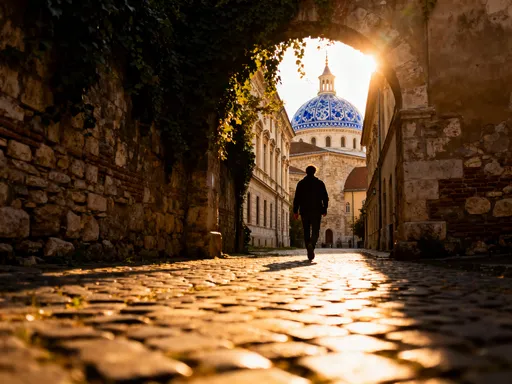
As the sun rises over the Hajar Mountains, the ancient city of Nizwa begins to stir. The drive from Muscat, about two hours along a well-maintained highway, gradually shifts from coastal flatlands to rugged highlands, with terraced villages clinging to rocky slopes. Upon entering Nizwa, the first sight that captures the eye is the imposing Nizwa Fort—a massive, cylindrical structure rising from the earth like a guardian of time. Its sand-colored walls glow warmly in the morning light, standing as a silent witness to centuries of Omani history. The old town unfurls around it, a labyrinth of narrow alleys, traditional mud-brick homes, and date palm groves that line the wadis.
The early morning is the best time to arrive. Not only does it offer relief from the midday heat, but it also allows visitors to experience the souq at its most authentic. Shopkeepers are setting up their stalls, laying out handcrafted wares, arranging pyramids of dates, and brewing the first pots of Omani coffee. The sound of donkeys clopping along the stone paths blends with the low hum of conversation and the occasional call to prayer drifting from a nearby mosque. There’s a peaceful rhythm to the morning, a sense of routine and community that feels both timeless and welcoming.
For travelers, staying at a guesthouse near the souq enhances the experience significantly. I checked into a family-run accommodation just a five-minute walk from the market entrance. The check-in process was seamless—no paperwork, no long waits—just a warm smile, a cup of cardamom-scented coffee, and a quick orientation of the area. The room was simple but clean, with traditional Omani decor: woven mats, wooden chests, and cool stone floors that kept the space comfortable even as temperatures climbed. The location was ideal—close enough to explore on foot, yet quiet enough to offer a peaceful retreat after a day of sensory immersion.
The Heartbeat of the City: Nizwa Souq Unveiled
The covered market of Nizwa is the soul of the city, a place where commerce, culture, and daily life converge. As you step beneath the shaded arcades, the change in atmosphere is immediate. The sun’s glare gives way to dappled light filtering through palm-thatch roofs, and the air cools slightly, carrying with it a rich tapestry of scents—spices, leather, wood polish, and the faint sweetness of dried fruit. The souq is not a single building but a network of interconnected sections, each dedicated to a different craft or commodity. The layout is intuitive, with clear pathways guiding visitors from one zone to the next.
The first stretch is often the spice alley, a kaleidoscope of color and aroma. Bright yellow turmeric, deep red paprika, and earthy brown cumin fill woven baskets in towering displays. Further in, the date section beckons with rows of plump, glistening fruits—khalas, fardh, and shakar—each variety carefully sorted and labeled. The metalwork zone is where the sound of hammering echoes most distinctly, a steady rhythm that has likely echoed through these streets for generations. Copper pots, brass trays, and ornate lanterns hang from hooks, catching the light with a soft, warm glow.
What stands out is not just the variety but the organization within the apparent chaos. Stalls are grouped by trade, and many are color-coded or marked with simple signs indicating the type of goods sold. Vendors sit patiently behind their wares, often sipping tea or chatting with neighbors, ready to offer a greeting or a sample at a moment’s notice. The atmosphere is not pushy or aggressive—there’s no hard selling here. Instead, there’s a quiet pride in what they offer, a sense that they are not just shopkeepers but custodians of tradition.
Pricing is fair, especially for tourists who show genuine interest. While some items are marked with fixed prices, many allow for polite negotiation—a cultural dance of mutual respect rather than a battle of wills. A simple smile, a willingness to listen, and a few words in Arabic (even just “kif halak?”—how are you?) can go a long way in building rapport. The experience is less about getting the lowest price and more about connecting with the person behind the craft.
Spices That Tell a Story: A Scented Adventure
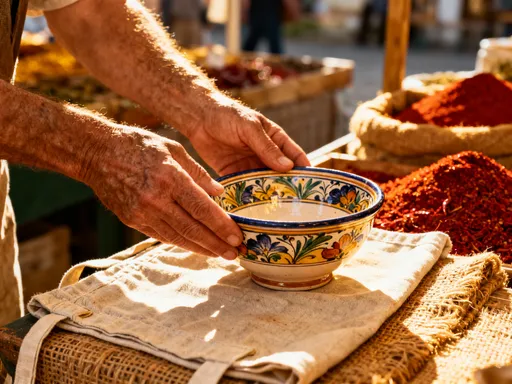
The spice section of Nizwa Souq is nothing short of enchanting. Rows of burlap sacks and woven baskets overflow with aromatic treasures, each with its own history and purpose. Turmeric, known locally as *kurkum*, is piled in golden mounds, its vibrant hue a sign of freshness. Cumin, with its warm, earthy scent, is a staple in Omani kitchens, used in everything from rice dishes to meat stews. Saffron, though more expensive, is sold in small, carefully wrapped portions, prized for its ability to transform both flavor and color.
One of the most fascinating discoveries was learning about traditional spice blends. A vendor named Salim, whose family has sold spices for three generations, introduced me to *hawaij*—a fragrant mix of cumin, coriander, black pepper, and cardamom used in Omani soups and rice. He also showed me *loomi*, dried black limes that are crushed and added to dishes for a tangy, citrusy depth. “This is not just food,” he said, grinding a small batch by hand. “This is medicine, memory, and identity.”
Frankincense, or *luban*, holds a special place in Omani culture. Sold in translucent tears of resin, it has been a prized commodity in the region for over 5,000 years, traded along ancient routes that connected Arabia to India, Africa, and the Mediterranean. Today, it’s still used for its calming aroma, burned in homes to purify the air and mark special occasions. Some believe it aids digestion and respiratory health, though it is primarily valued for its spiritual and ceremonial significance.
For visitors, the spice market offers more than just shopping. It’s an invitation to engage, to ask questions, and to learn. Most vendors are happy to explain the uses of different spices and even offer small samples. A few practical tips: bring small cloth or ziplock bags to carry purchases, ask permission before taking photos (especially of people), and don’t be afraid to smell deeply—each scent is a doorway into Omani life.
Craftsmanship in Motion: Watching Artisans at Work
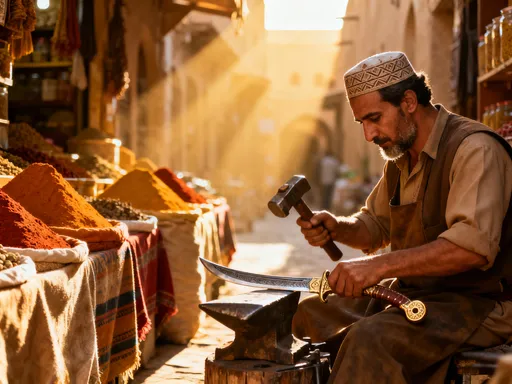
One of the most mesmerizing parts of the souq is the metalworking area, where artisans shape copper, brass, and silver with tools that look as old as the trade itself. The sound of hammer on metal is constant—a rhythmic, almost musical beat that echoes through the covered lanes. In one corner, a coppersmith hunches over a glowing bowl, his hands moving with precision as he shapes and engraves intricate floral patterns. Sparks fly as he files the edges, his face lit by the fire of his small forge. Nearby, another craftsman polishes a brass tray until it shines like liquid gold.
The most iconic craft, however, is the making of the *khanjar*, the traditional Omani dagger. Worn by men on formal occasions, the khanjar is more than a weapon—it is a national symbol, a mark of honor and heritage. The process of crafting one is meticulous. The blade is forged from steel, tempered for strength, and then carefully sharpened. The handle, often made from rhinoceros horn or high-quality wood, is carved with geometric patterns. The sheath, usually of leather or silver, is decorated with engravings that can include family crests or Quranic inscriptions.
Authentic khanjars are licensed by the Omani government to ensure quality and cultural authenticity. Each piece comes with a certificate of origin, and prices reflect the hours of labor involved—ranging from 75 to over 300 Omani rials depending on materials and craftsmanship. While some stalls sell imported replicas, the real ones are made on-site or in nearby workshops. A simple way to tell the difference: handmade pieces have slight imperfections, a sign of human touch, while machine-made ones are too perfect.
Visitors are welcome to watch the artisans at work, but it’s important to be respectful. Avoid blocking their light or touching tools without permission. A quiet presence, a nod of appreciation, or a simple “mabrook” (congratulations) can be a meaningful gesture. Many craftsmen are happy to explain their process if approached politely, and some even offer short demonstrations for interested guests.
Beyond Souvenirs: Finding Meaning in What You Buy
Shopping at Nizwa Souq is not just about acquiring objects—it’s about participating in a living tradition. When you buy a handwoven *kumma* (the traditional Omani cap), a hand-thrown pottery cup, or a piece of silver jewelry, you’re not just purchasing a souvenir. You’re supporting a family, preserving a craft, and carrying a piece of Omani identity with you. Each item has a story, often tied to the maker, the materials, and the place where it was created.
Mindful shopping means choosing with intention. Instead of buying mass-produced trinkets sold as “local,” take the time to ask questions: Who made this? How long did it take? What does this pattern mean? Vendors often appreciate the interest and will gladly share the background of their work. A woman weaving palm fronds into baskets might explain how her grandmother taught her the technique. A potter might show you the clay sourced from a nearby wadi, shaped without a wheel, and fired in a traditional oven.
These interactions transform a simple transaction into a moment of connection. They remind us that travel is not just about seeing places but about meeting people and understanding ways of life different from our own. By choosing to buy directly from artisans, travelers contribute to sustainable livelihoods and help keep traditional crafts alive in a world increasingly dominated by factories and fast fashion.
It’s also worth considering what you bring home. A small, hand-carved wooden box may take up little space, but it carries the weight of a culture’s creativity and resilience. A piece of fabric dyed with natural pigments tells a story of land and labor. These are not just objects—they are heirlooms in the making, tangible memories of a journey well taken.
Dates, Delights, and Local Flavors: A Taste of Nizwa
No visit to Nizwa is complete without experiencing its legendary dates. The region is one of Oman’s most fertile, thanks to ancient irrigation systems known as *aflaj* that channel mountain water to the plains. The result is some of the sweetest, juiciest dates in the Arabian Peninsula. At the souq, vendors proudly display their harvest in wooden crates and woven trays. The *khalas* variety is soft and caramel-like, while *fardh* is firmer with a honeyed flavor. *Shakar*, as the name suggests, is almost crystalline in sweetness.
Many date sellers offer samples—small, sticky pieces handed over with a smile. It’s common to see locals buying in bulk, packing them into cloth bags for home or gifts. Dates are more than a snack; they are a staple of Omani hospitality, served with coffee to welcome guests. They are also used in traditional sweets like *halwa*, a dense, gelatinous confection made with rose water, saffron, and nuts. Some vendors sell date syrup, a rich, molasses-like spread perfect for drizzling over bread or pancakes.
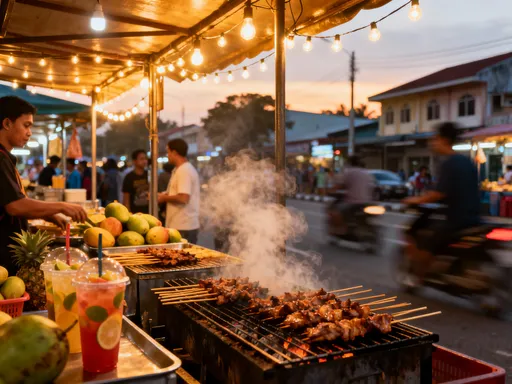
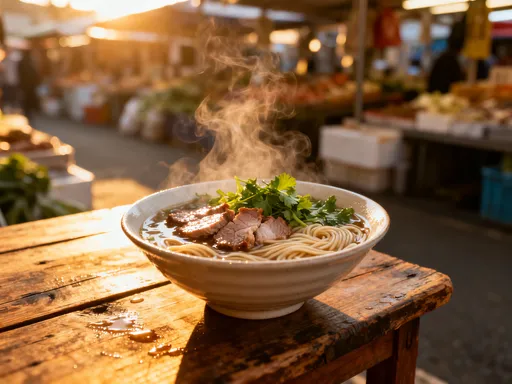
Near the food section of the souq, small eateries and stands serve simple but delicious Omani fare. One popular choice is *shuwa*—lamb marinated in spices, wrapped in banana leaves, and slow-cooked in an underground oven for up to 48 hours. The meat falls apart at the touch, infused with smoky, spicy flavors. Another favorite is grilled *mishkak*, skewers of marinated meat served with rice or flatbread. Pair any meal with *qahwa*, Omani coffee lightly spiced with cardamom, served in small cups without handles.
For those hesitant to try something new, the vendors are patient and encouraging. “Just a small bite,” one said with a grin, offering a piece of halwa. “If you don’t like it, no problem. But I think you will.” And he was right. The experience of tasting local food—prepared with care, shared with kindness—is one of the purest joys of travel.
Making the Most of Your Visit: Practical Tips & Timing
To truly enjoy Nizwa Souq, timing and preparation matter. The best days to visit are Sunday and Thursday, when the market is fullest and the energy most vibrant. Friday is also busy, as many locals shop after morning prayers, but some stalls may close earlier. Arriving early—between 7:00 and 9:00 a.m.—ensures cooler temperatures and a chance to see the souq come to life. By midday, the heat intensifies, and the pace slows.
Comfortable footwear is essential. While the souq is mostly shaded, the ground is uneven in places, with stone and packed earth pathways. Sandals with good support are ideal—light enough for the heat, sturdy enough for walking. Avoid high heels or open flip-flops that can slip on dusty surfaces.
Cash is still the primary form of payment, especially in smaller stalls. While some larger shops accept cards, it’s wise to carry Omani rials in small denominations. ATMs are available in town, but it’s best to withdraw before arriving. Bargaining is expected in most cases, but it should be done politely and with a smile. Start by asking the price, then offer slightly less—never insultingly low. If the vendor refuses, accept it gracefully. Often, the final price is less important than the interaction itself.
Respect for local customs enhances the experience. Dress modestly—shoulders and knees covered for both men and women. Avoid public displays of affection, loud behavior, or intrusive photography. A little cultural sensitivity goes a long way in building trust and warmth. Also, be mindful of prayer times; some areas may quiet down for 15–20 minutes during the call to prayer.
While the souq is the main attraction, consider extending your visit to include Nizwa Fort, just a short walk away. Its museum and spiral staircase offer insight into Oman’s military and educational history. For nature lovers, a trip to Al Hamra or the nearby Misfat al Abriyeen village provides stunning views of terraced farms and traditional architecture.
Closing Thoughts: Why Nizwa’s Market Is More Than a Stop
Nizwa Souq is not just a place to shop—it is a living museum, a community hub, and a testament to the enduring value of craftsmanship and tradition. In a world where so much is mass-produced and disposable, this market stands as a reminder of what it means to create with care, to live with intention, and to welcome strangers with open hands. Every object, every scent, every conversation carries the weight of history and the warmth of human connection.
What stays with you after leaving is not just what you bought, but how you felt—seen, respected, and part of something real. It’s the vendor who offered you coffee, the artisan who showed you his tools, the child who waved shyly from behind a date stall. These are the moments that define meaningful travel.
So when you plan your journey to Oman, don’t just see Nizwa as a stop on the itinerary. Let it be a destination in itself. Walk slowly. Breathe deeply. Listen to the stories. And let each purchase, each smile, each shared cup of coffee become a thread in the tapestry of your memory. Because in places like Nizwa, travel isn’t just about going somewhere—it’s about remembering who we are when we’re far from home.