You Won’t Believe These Hidden Corners of Pécs
Pécs, Hungary, is more than just a quiet city with Ottoman charm and sun-kissed plazas. Behind its historic façade lie unforgettable theme-based experiences—art districts that pulse with creativity, wine trails that unwind through vineyard-draped hills, and cultural pockets where tradition feels alive. I explored Pécs not as a tourist, but as a curious traveler chasing authentic moments. What I found were places that tell stories, each with its own rhythm and soul. This is a city that doesn’t shout for attention but invites you in with quiet confidence, rewarding those who take the time to listen. Far from the crowds of Budapest yet deeply rooted in Hungarian identity, Pécs offers a journey into the heart of Central European culture, where every cobblestone and vineyard row holds a whispered story.
Discovering Pécs: A City That Surprises
Pécs is often overlooked by travelers rushing between Vienna and Budapest, yet it stands as one of Hungary’s most culturally rich and visually captivating cities. Nestled at the foot of the Mecsek Hills in the country’s southwest, it radiates a calm elegance that feels both timeless and refreshingly modern. Its historic center, a mosaic of architectural styles, reflects centuries of transformation—from Roman settlements to Ottoman rule, and from Austro-Hungarian influence to contemporary European life. Walking through Széchenyi tér, the city’s central square, one is immediately struck by the harmony of colorful Baroque facades, the shadow of the cathedral spire, and the quiet hum of café conversations drifting from outdoor terraces.
What sets Pécs apart is its human scale. Unlike the bustling energy of larger capitals, this city invites slow exploration. Streets unfold gently, encouraging wanderers to pause, observe, and engage. You can walk from the historic mosque to the cathedral in under ten minutes, passing art studios, family-run bakeries, and hidden courtyards along the way. This compactness enhances intimacy, allowing visitors to form a deeper connection with the place. There’s no need to rush from landmark to landmark; instead, time here feels generous, meant to be savored like a glass of local red wine under the afternoon sun.
Choosing Pécs over more popular destinations isn’t about compromise—it’s about intention. It’s for travelers who seek authenticity over spectacle, who value conversations with shopkeepers over crowded tour buses. The city’s layered history—visible in its architecture, cuisine, and daily rhythms—offers a nuanced portrait of Hungarian life. Once a Roman city known as Sopianae, then a thriving Ottoman outpost, and later a cultural hub during the Austro-Hungarian era, Pécs has absorbed influences without losing its essence. Today, it thrives as a university town, which adds youthful energy to its historic streets, especially in spring and autumn when students fill the cafés and lecture halls.
For families, couples, or solo travelers seeking a meaningful escape, Pécs delivers a rare balance: it’s cosmopolitan enough to offer cultural depth, yet peaceful enough to provide genuine relaxation. Its designation as a European Capital of Culture in 2010 was not just symbolic—it sparked lasting investments in arts, infrastructure, and community engagement that continue to shape the city’s identity. Visitors today benefit from this legacy, encountering a destination that honors its past while embracing innovation in thoughtful ways.
The Artistic Soul: Zsolnay Cultural Quarter
If Pécs has a creative heartbeat, it pulses strongest in the Zsolnay Cultural Quarter. Once the site of a 19th-century porcelain manufacturing complex, this district has been reborn as a dynamic center for art, design, and cultural expression. The transformation of the Zsolnay factory grounds is nothing short of remarkable—what was once a hub of industrial production is now a destination where tradition and modernity coexist in striking harmony. The original kilns and factory buildings remain, their brick facades now framing contemporary galleries, performance spaces, and artisan workshops.
The legacy of the Zsolnay porcelain company is deeply woven into the city’s identity. Founded in 1853 by Miklós Zsolnay, the company gained international acclaim for its iridescent glazes and intricate craftsmanship, earning awards at world expositions and supplying ceramics to royal courts. Today, visitors can explore the Zsolnay Heritage Center, where original pieces, archival materials, and interactive displays tell the story of this iconic brand. The shimmering tiles adorning buildings across Pécs—many produced at the Zsolnay factory—are a testament to the enduring influence of this artistic tradition.
But the Cultural Quarter is not a museum frozen in time. It is alive with activity. During the summer months, open-air concerts fill the courtyards with jazz, folk, and classical music. Design markets showcase handmade jewelry, textiles, and ceramics from local artisans. Temporary art installations appear on walls and in unexpected corners, inviting discovery around every turn. The area also hosts the annual Zsolnay Festival, a celebration of creativity that draws artists, performers, and visitors from across the region. Even outside festival season, the atmosphere remains vibrant, with coffee roasters, craft breweries, and independent bookshops contributing to a lively urban vibe.
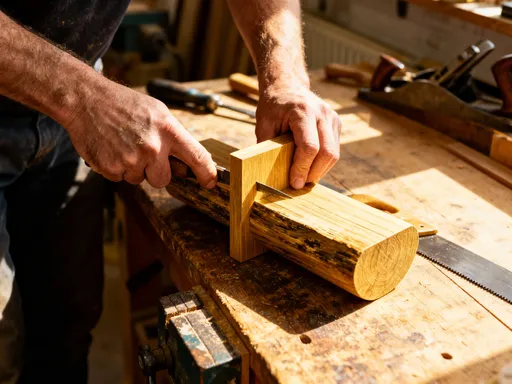
For travelers interested in hands-on experiences, several studios offer short workshops where guests can try their hand at ceramics, mosaic-making, or traditional tile painting. These activities provide not only creative engagement but also a deeper appreciation for the skill behind the Zsolnay legacy. The district’s walkable layout makes it easy to explore at a leisurely pace, with shaded courtyards perfect for resting between discoveries. Whether you’re an art enthusiast or simply someone who enjoys the energy of creative spaces, the Zsolnay Cultural Quarter offers a refreshing contrast to more conventional tourist attractions.
Taste of the Region: The Winemaking Heritage of Villány and the Cellars of Pécs
No exploration of Pécs would be complete without delving into Hungary’s rich winemaking tradition. While the nearby Villány region often takes center stage for its bold reds, the hills surrounding Pécs themselves harbor a network of historic cellars and small vineyards that offer an intimate glimpse into local viticulture. Wine in this part of Hungary is not just a beverage—it’s a way of life, passed down through generations and deeply tied to the rhythms of the seasons.
Villány, located just 30 kilometers south of Pécs, is one of Hungary’s warmest wine regions, benefiting from a microclimate similar to that of southern France. It is best known for its full-bodied red wines, particularly those made from Kékfrankos and Kadarka grapes. Kékfrankos produces wines with bright acidity, red fruit notes, and subtle spice, while Kadarka—once nearly extinct—has seen a revival in recent years, offering delicate, floral characteristics with a light body. These wines pair beautifully with the region’s hearty cuisine, including paprika-spiced stews, smoked sausages, and fresh cheeses.
Many family-run wineries in Villány welcome visitors for tastings, often hosted by the winemakers themselves. These small-group experiences are far removed from commercial wine tours; they feel personal, conversational, and deeply rooted in tradition. Guests might taste wines straight from the barrel, walk through vineyards with views of rolling hills, or enjoy a simple meal of local bread, cold cuts, and pickles paired with a flight of estate-grown wines. Some estates, like Gere Attila Winery or Szőke Pince, have earned international recognition, yet they maintain a humble, welcoming atmosphere.
Within Pécs itself, the cellars beneath the Old Bishops’ Palace and in the Kaplonyi Street area offer a different kind of wine experience. These historic underground tunnels, originally dug into the soft rock of the Mecsek Hills, were used for centuries to store wine in stable, cool conditions. Today, several have been restored and opened to the public. Guided tours often include storytelling about the city’s winemaking past, demonstrations of traditional techniques, and of course, tastings. The experience is atmospheric—dim lighting, stone walls, and the earthy scent of aging wine create a sense of stepping back in time.
For visitors planning a wine-focused trip, late summer through early autumn is ideal. Harvest season, particularly in September, brings energy to the vineyards, and many wineries host special events. Spring is also a lovely time to visit, as the hills turn green and wildflowers bloom. To arrange tastings, it’s best to book in advance, especially on weekends. Local tourism offices in Pécs can assist with recommendations and transportation options, including guided tours by van or bicycle. Even for those who don’t consider themselves wine connoisseurs, these experiences offer a meaningful way to connect with the land and its people.
Spiritual Layers: Mosques, Churches, and the Atmosphere of Coexistence
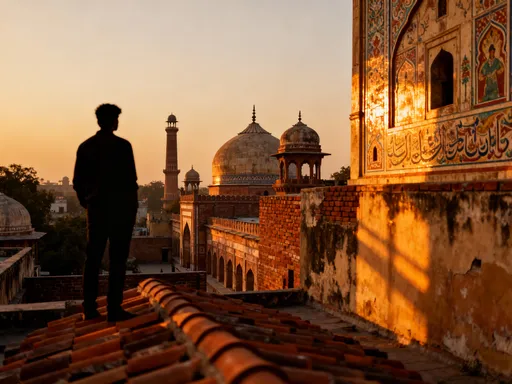
Pécs’s skyline tells a story of coexistence. Towering above the city are not just church spires but also the elegant silhouette of a minaret—the Mosque of Gázi Kászim Pasha, built in the 16th century during Ottoman rule. This architectural duality is more than aesthetic; it reflects centuries of layered history, where different faiths and cultures have left their mark without erasing one another. The presence of both Islamic and Christian sites in close proximity is not a source of tension but a quiet testament to the city’s long-standing tradition of tolerance and integration.
The Mosque of Gázi Kászim Pasha, now serving as a museum and cultural space, stands as one of the best-preserved Ottoman monuments in Hungary. Its simple yet elegant design features a single dome, a slender minaret, and a courtyard surrounded by arched walkways. Inside, the prayer hall is serene, with soft light filtering through high windows and calligraphic inscriptions along the walls. While no longer used for daily prayers, the mosque remains a place of respect and reflection. Visitors are welcome to enter, and informational displays explain the history of Ottoman Pécs, including the role of the mosque in community life during the 150-year period of Turkish rule.
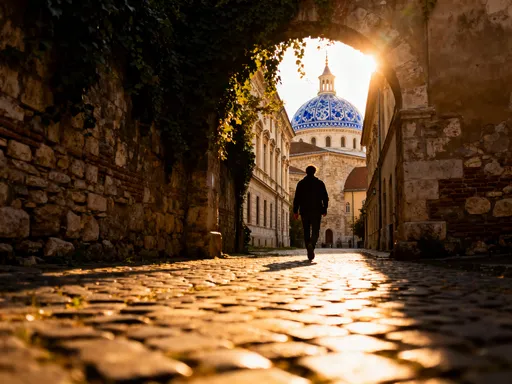
Nearby, the Pécs Cathedral—officially the Cathedral of St. Peter and St. Paul—offers a striking contrast in style and symbolism. Built in the 11th century and later rebuilt in the Neo-Romanesque style, the cathedral features twin towers, intricate stone carvings, and a majestic interior with stained glass windows and ornate altars. Beneath it lie the Early Christian Necropolis, a UNESCO World Heritage Site, where 4th-century tombs adorned with frescoes reveal the city’s ancient Christian roots. The proximity of these two sacred spaces—one Islamic, one Christian—creates a powerful narrative of continuity and coexistence.
What makes this spiritual landscape so compelling is its peacefulness. There is no sense of competition or conflict; instead, these sites stand as complementary chapters in a shared history. Locals often speak of this duality with pride, seeing it as part of what makes Pécs unique. For visitors, walking from the mosque to the cathedral is not just a physical journey but a symbolic one—a reminder that cultures can evolve side by side, each preserving its identity while contributing to a broader tapestry. This atmosphere of quiet respect enhances the city’s charm, offering travelers a rare opportunity to experience history not as a series of conflicts, but as a story of adaptation and harmony.
Green Escapes: Nature and Relaxation Around Pécs
Just beyond the city limits, the Mecsek Hills rise gently, offering a natural retreat for those seeking fresh air, scenic views, and a slower pace. This low mountain range, covered in dense forests and dotted with meadows, provides a perfect backdrop for outdoor activities throughout the year. Whether you’re an experienced hiker or simply looking for a peaceful place to walk, the trails around Pécs invite connection with nature in its most unspoiled form.
One of the most accessible destinations is Misina Mountain, located just a short bus or car ride from the city center. At 611 meters, it’s the highest peak in the Mecsek range and offers panoramic views of Pécs and the surrounding countryside. A well-maintained trail leads to the summit, where a stone lookout tower provides a 360-degree vista. In spring, the path is lined with blooming wildflowers; in autumn, the forest turns golden and crimson. Along the way, wooden signs point to rest areas, picnic spots, and smaller side trails that lead to hidden clearings and quiet groves.
For a more relaxed experience, the Mecsek Botanical Garden offers a curated introduction to the region’s flora. Nestled in a protected valley, the garden features native plants, medicinal herbs, and themed sections such as a rock garden and a butterfly meadow. Benches and shaded pathways make it ideal for families or older visitors who prefer a gentler pace. Nearby, the Szilágyi Valley is known for its clean air and tranquil atmosphere, often recommended for those seeking relaxation or light walking.
Winter brings its own charm, with light snowfalls transforming the hills into a quiet, serene landscape. While the Mecsek range doesn’t support alpine skiing, cross-country trails and snowshoeing routes are available for winter enthusiasts. Local guesthouses sometimes organize guided nature walks with hot tea stops, adding a cozy touch to the experience. Regardless of the season, preparation is key—comfortable walking shoes, layered clothing, and a small backpack with water and snacks are recommended. Public transportation connects many trailheads to the city, and bike rentals are available for those who wish to combine cycling with hiking.
These green spaces are not just recreational; they are integral to the well-being of Pécs residents. Many locals make weekend hikes a regular tradition, often ending their outings at a hillside café or family-run inn serving homemade soups and herbal teas. For visitors, spending time in the Mecsek Hills offers a chance to slow down, breathe deeply, and experience the natural beauty that complements the city’s cultural richness.
Local Life: Markets, Cafés, and Everyday Charm
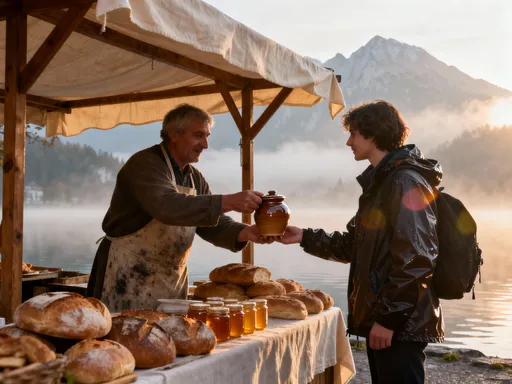
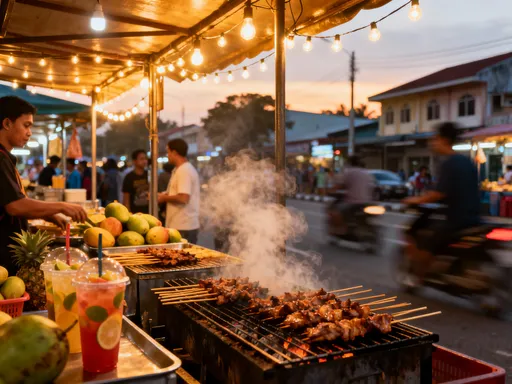
To truly understand Pécs, one must step into the rhythm of daily life. That begins in the Central Market Hall, a bustling hub where generations of locals have shopped for fresh produce, meats, cheeses, and handmade goods. Open daily, the market is a feast for the senses—vendors call out prices, the scent of paprika and freshly baked bread fills the air, and colorful displays of fruits, vegetables, and flowers create a living mosaic of seasonal abundance.
Here, you’ll find regional specialties like túró rudi, a sweet cottage cheese bar coated in chocolate, and pogácsa, savory scones often flavored with cheese or bacon. Elderly women in aprons sell jars of homemade pickles and preserves, while butchers proudly display sausages smoked with traditional methods. The market is not just a place to shop—it’s a social space where neighbors greet each other, exchange news, and share recipes. Visitors are welcomed with polite nods, and many vendors are happy to offer samples or explain their products in simple English.
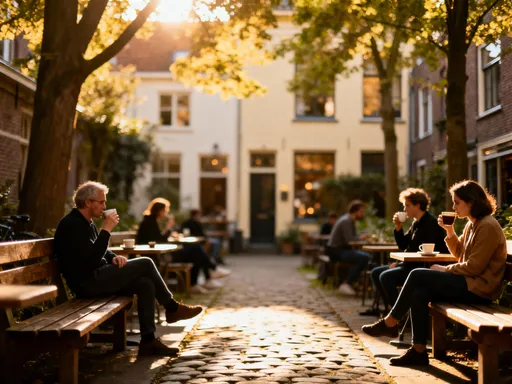
Just outside the market, the café culture of Pécs unfolds in full color. Unlike the grand coffeehouses of Budapest, Pécs’s cafés are often small, family-run establishments with a relaxed, unpretentious vibe. You’ll find them tucked into side streets, beneath arcades, or facing quiet squares. Some, like Csontváry Café or Szecesszió Kávéház, are housed in beautifully restored buildings with Art Nouveau details, while others are modern spaces with exposed brick and local art on the walls. The menu typically includes strong Hungarian coffee, fresh pastries, and light meals like salads or sandwiches made with local ingredients.
Sitting at a sidewalk table with a cup of coffee and a slice of Dobos torte or a flaky strudel, you begin to notice the unhurried pace of life. People linger over conversations, read books, or simply watch the world go by. Children play in nearby parks, students gather in study groups, and retirees take their daily walks. This everyday charm is one of Pécs’s greatest gifts—a reminder that travel is not only about seeing famous sites but about feeling the pulse of a place through its ordinary moments.
Planning Your Visit: When, How, and Where to Stay
For the best experience, plan your visit to Pécs during the spring (April to June) or early autumn (September to October). These seasons offer mild temperatures, blooming gardens, and fewer tourists, allowing for a more relaxed exploration. Summer can be warm, especially in July and August, but the city’s tree-lined streets and shaded courtyards provide relief. Winters are generally quiet, with occasional snow, making it a peaceful time to visit if you enjoy a more introspective travel experience.
Reaching Pécs is straightforward. A direct train from Budapest takes about three and a half hours and offers scenic views of the Hungarian countryside. Regional buses also connect major cities, and car rentals are available for those who wish to explore Villány and the Mecsek Hills at their own pace. Once in Pécs, the city center is walkable, and local buses provide easy access to outer neighborhoods and trailheads.
Accommodation options cater to a range of preferences. Boutique guesthouses, often located in restored historic buildings, offer personalized service and charming interiors. Cultural hostels, such as those in the Zsolnay Quarter, appeal to younger travelers and those interested in artistic communities. For families or longer stays, apartments with kitchens are available through local rental agencies. Many visitors appreciate staying near Széchenyi tér or the Cathedral, as these areas place you within easy walking distance of restaurants, shops, and key attractions.
When planning your itinerary, resist the urge to over-schedule. Pécs rewards slow travel. Dedicate a full day to the Zsolnay Quarter, another to wine tasting in Villány, and a half-day to exploring the cathedral and Ottoman mosque. Allow time for unplanned discoveries—a conversation with a local artist, a chance encounter at a market stall, or a quiet moment in a hillside chapel. Traveling with curiosity and openness will lead you to the hidden corners that make this city unforgettable.
The beauty of Pécs lies not in grand gestures but in quiet revelations. It is a city that reveals itself gradually, through the taste of a locally made wine, the sound of music drifting from a courtyard, or the warmth of a shopkeeper’s smile. It invites travelers to look beyond the surface, to engage with themes of art, heritage, nature, and daily life that form the soul of the place. In an age of fast-paced tourism, Pécs offers something rare: the chance to travel with depth, presence, and heart. So come not to check off a list, but to listen, to taste, to wander—and to discover, one hidden corner at a time.