Taste of Okinawa: The Island’s Food Culture Will Blow Your Mind
Okinawa isn’t just about turquoise waters and sandy beaches—its food culture is a revelation. I went expecting paradise, but what I found was deeper: a cuisine rooted in longevity, tradition, and bold island flavors. From steaming bowls of soba to savory rafute, every bite tells a story. This is more than eating—it’s experiencing a way of life. You haven’t truly known Okinawa until you’ve tasted it. Far from the typical tropical getaway focused solely on relaxation, Okinawa offers a sensory journey that begins on the plate and extends into the heart of its people, history, and values. Here, food is not merely fuel but a living expression of identity, wellness, and community.
The Soul of Okinawan Cuisine: More Than Just Food
Okinawan cuisine is a quiet testament to resilience, harmony, and cultural synthesis. At its core lies a philosophy of balance—between flavors, seasons, and generations. Meals are not rushed affairs but moments of connection, where elders pass down stories as easily as they share a plate of goya champuru. This culinary tradition is deeply intertwined with the islanders’ famed longevity, consistently placing Okinawa among the world’s Blue Zones—regions where people live significantly longer, healthier lives. Diet plays a central role in this phenomenon, with traditional eating patterns emphasizing plant-based ingredients, moderate portions, and mindful consumption.
The roots of Okinawan food stretch back centuries to the Ryukyu Kingdom, a maritime trading hub that flourished between the 15th and 19th centuries. Through exchanges with China, Japan, Korea, and Southeast Asia, the islands absorbed a rich tapestry of flavors and techniques. Chinese influence is evident in the use of pork and noodles, while Southeast Asian touches appear in the bold use of bitter vegetables and fermented elements. Even after the kingdom’s annexation by Japan and the devastation of World War II, Okinawans preserved their culinary identity, adapting with resourcefulness—using sweet potato as a staple during times of scarcity and turning humble ingredients into nourishing, flavorful dishes.
Today, this heritage lives on in everyday meals. Okinawan cooking reflects a deep respect for nature and seasonality. Ingredients are chosen at their peak, often harvested locally or prepared using time-honored methods like fermentation and slow braising. There is little waste—every part of the pig, for example, finds its way into the kitchen, from the ears to the tail. This ethos of gratitude and sustainability echoes the Okinawan saying *nuchi du takara*, meaning “life is treasure,” a reminder to cherish health, relationships, and the simple gifts of daily nourishment.
Must-Try Dishes That Define the Islands
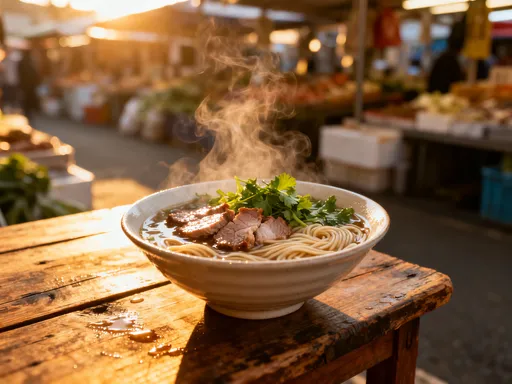
To understand Okinawa, one must eat like an Okinawan. The island’s signature dishes are more than just local specialties—they are edible histories, each carrying layers of flavor and meaning. Start with Okinawa soba, a comforting noodle soup that differs from mainland Japanese soba. Made with wheat flour instead of buckwheat, the noodles are soft yet springy, served in a clear, pork-based broth and topped with tender slices of slow-cooked pork belly. Often garnished with beni shoga (pickled red ginger) and a wedge of sudachi citrus, each bowl is both hearty and refreshing, a perfect companion on a humid afternoon.
Equally iconic is goya champuru, a stir-fry that has become a symbol of Okinawan ingenuity. Goya, or bitter melon, is the star—a warty green vegetable with a sharp, earthy taste that mellows when cooked. Combined with egg, tofu, and thinly sliced pork, it creates a dish that is at once pungent and comforting. Despite its acquired flavor, goya champuru is a daily staple, valued not only for its taste but also for its health benefits. Rich in antioxidants and believed to support blood sugar regulation, it exemplifies the Okinawan principle of eating for long-term wellness.
For those seeking richness, rafute delivers indulgence with cultural depth. This dish features thick cubes of pork belly simmered for hours in awamori (Okinawan rice liquor), soy sauce, brown sugar, and ginger until the meat melts at the touch of a fork. The result is a luxurious, caramel-colored dish with a balance of sweet, salty, and umami notes. Traditionally served during celebrations and family gatherings, rafute is more than a feast—it is an offering of love and abundance.
Adventurous eaters should not miss mimigaa, boiled pork ears served cold with vinegar and spices. Crunchy and gelatinous, it offers a texture unlike any other and is often enjoyed as a bar snack with awamori. Meanwhile, umibudo, or “sea grapes,” provides a refreshing contrast. These tiny green algae clusters burst in the mouth like oceanic caviar, delivering a crisp, briny pop that captures the essence of the sea. Served with a light soy-vinegar dressing, they are a celebration of Okinawa’s coastal bounty.
Where the Locals Eat: Markets, Eateries, and Hidden Gems
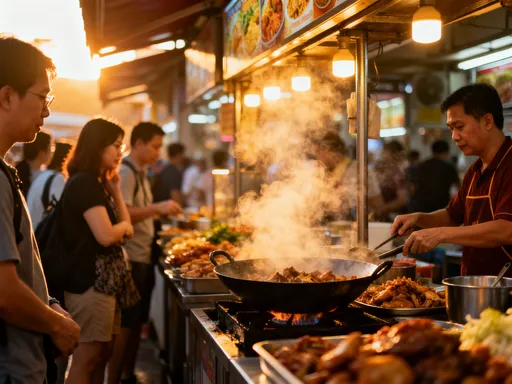
To taste the true spirit of Okinawan cuisine, one must step away from resort restaurants and into the heart of local life. The Makishi Public Market in Naha is a sensory explosion—a bustling hub where fishermen unload the morning’s catch, vendors display pyramids of purple sweet potatoes, and grandmothers haggle over prices with practiced ease. Known as “Okinawa’s kitchen,” this three-story market is where families shop, chefs source ingredients, and visitors can sample everything from fresh sashimi to steaming bento boxes at the second-floor food court.
Beyond the market, some of the best meals are found in unassuming places: a roadside stand selling freshly harvested umibudo, a tiny soba shop tucked between laundry shops in a residential neighborhood, or a family-run eatery where the owner greets regulars by name. These spaces offer more than food—they provide connection. A simple exchange, a shared smile, or a patiently explained menu item can turn a meal into a memory. Unlike tourist-focused restaurants, these spots prioritize authenticity over presentation, serving dishes made with care and consistency.
Etiquette is relaxed but respectful. It’s common to see diners slurp noodles heartily or leave a small amount of food on the plate—a sign you’re satisfied, not wasteful. Cash is still preferred in many small establishments, and menus may be in Japanese only, but most vendors appreciate the effort to try. Pointing at display cases or miming enjoyment often works better than fluent language. By embracing these moments of cultural exchange, visitors gain more than a meal—they gain insight into the rhythm of island life.
Island Ingredients: The Secret Behind the Flavor
The magic of Okinawan cuisine lies not just in its recipes but in its ingredients—many of which are unique to the subtropical climate and volcanic soil of the islands. Take bitter melon (goya), for instance. Thriving in the hot, humid summers, goya is more than a vegetable; it’s a culinary strategy for staying cool and healthy. Its bitterness is believed to stimulate digestion and reduce internal heat, making it a summer staple. Similarly, mozuku seaweed, harvested from clean coastal waters, is rich in fucoidan, a compound studied for its immune-supporting properties. Lightly boiled and served with vinegar, it’s a common side dish in homes and restaurants alike.
Another cornerstone is the purple sweet potato, or beni imo. Vibrant in color and naturally sweet, it’s used in everything from savory stews to desserts like ice cream and steamed buns. Beyond its flavor, it’s packed with anthocyanins, antioxidants linked to cardiovascular health. Its deep hue has also made it a symbol of Okinawa’s agricultural pride, often sold in vacuum-sealed packages as souvenirs. Then there’s Okinawan black sugar, made from sugarcane grown in mineral-rich soil. Less processed than white sugar, it carries a molasses-like depth and is used in teas, sweets, and even savory glazes.
Spices and herbs also play a quiet but vital role. Turmeric, known locally as ukon, gives many dishes a golden hue and is valued for its anti-inflammatory properties. Used in teas, rice, and soups, it reflects the Okinawan tendency to blend flavor with function. Even awamori, the potent distilled spirit, is more than a drink—it’s a cultural artifact. Made from Thai rice and aged in clay pots, it’s used in cooking, ceremonies, and daily life, often diluted with water or served on the rocks.
These ingredients are not just consumed—they are cultivated with care. Many farmers still use traditional methods, avoiding heavy pesticides and rotating crops to maintain soil health. This commitment to quality contributes to the overall dietary pattern that supports Okinawa’s remarkable health outcomes. The diet is low in processed foods, high in fiber, and centered on whole, plant-based ingredients—a model increasingly recognized by nutrition scientists worldwide.
How Food Shapes the Okinawan Way of Life
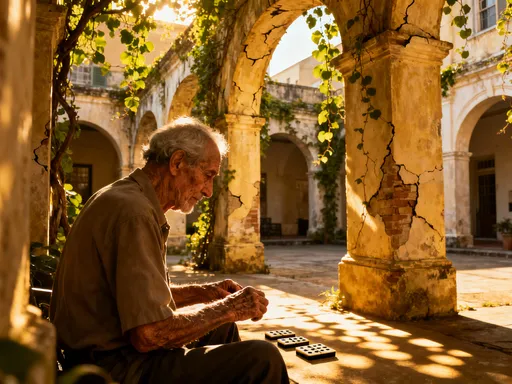
In Okinawa, food is never just about sustenance—it is a social ritual, a form of care, and a thread that binds generations. Meals are typically shared, with dishes placed in the center of the table for everyone to enjoy. This communal style fosters conversation, slows down eating, and reinforces family ties. Elders are served first, a sign of respect that underscores the value placed on wisdom and experience. Even in modern households, the rhythm of daily life often revolves around meal preparation and shared dining.
The concept of bin detchi—informal home gatherings centered around food—is central to this culture. Unlike formal parties, bin detchi are spontaneous, joyful events where relatives and neighbors drop by with dishes in hand. A pot of soup, a plate of dumplings, or a bag of fresh fruit becomes an offering of connection. These moments are not scheduled or photographed for social media—they are lived, fleeting, and deeply meaningful. They reflect a worldview where abundance is measured not by possessions but by relationships.
Festivals further illustrate this link between food and community. During events like Shurijo Castle Festival or the Naha Tug-of-War, traditional dishes take center stage. Families prepare large batches of rafute, sata andagi (Okinawan doughnuts), and seaweed salads to share with neighbors and visitors. These foods are not just snacks—they are expressions of hospitality and cultural pride. Even funerals include communal meals, reinforcing the idea that life’s milestones are best faced together.
This emphasis on shared eating contributes to emotional well-being. Studies have shown that regular family meals are linked to lower rates of depression and anxiety, particularly among older adults. In Okinawa, where many centenarians remain socially active, food becomes a vehicle for belonging. The act of cooking for others, of sitting together, of passing down recipes—it all nurtures a sense of purpose that is vital to longevity.
A Food Journey: Planning Your Own Okinawan Culinary Adventure
For travelers eager to explore Okinawa’s food culture, timing and intention matter. The best period for a culinary-focused trip is spring (March to May) or autumn (October to November), when temperatures are mild and local festivals are in full swing. The Naha Hari dragon boat races in May, for example, feature food stalls offering regional specialties, while the Itoman Fish Market Festival in October showcases fresh seafood and traditional cooking demonstrations.
The main island offers the most diverse food experiences, but the outer islands each have their own specialties. On Miyako Island, try the delicate Miyako beef or the local version of soba, made with a clearer broth. In Yaeyama Islands, dishes often feature tropical fruits, wild herbs, and unique preparations like Ishigaki beef tataki. Even ferry rides between islands can become part of the adventure, with snack kiosks selling fresh coconut juice and grilled fish.
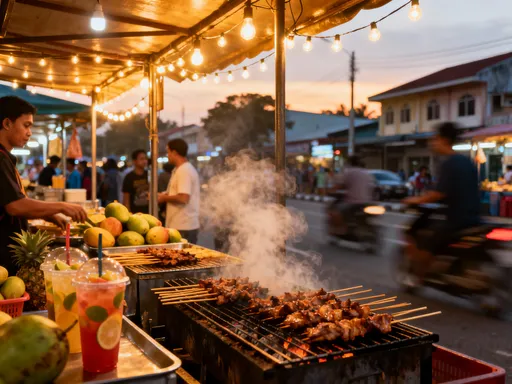
When navigating menus, look for dishes labeled “Okinawan style” or ask for “what’s local today.” Many restaurants offer set meals that include a main, rice, miso soup, and two or three side dishes—a great way to sample variety. Don’t hesitate to point at what others are eating or ask the server to recommend something traditional. Street food is also a highlight: from sata andagi stands to night market grills, these casual bites offer authentic flavors without the formality.
Consider combining food with nature. After hiking through the lush Yanbaru Forest in northern Okinawa, enjoy a picnic with locally made onigiri (rice balls), pickled vegetables, and a thermos of jasmine tea. Visit a farm-to-table café where you can see purple sweet potatoes being harvested or taste fresh mozuku straight from the sea. These experiences deepen appreciation, turning a meal into a story.
Beyond the Plate: Preserving a Living Culture
As tourism grows, so do concerns about the preservation of Okinawa’s food traditions. While increased interest brings economic opportunity, it also risks diluting authenticity. Some restaurants now serve “Okinawan-style” dishes made with imported ingredients or simplified recipes to cater to foreign palates. Traditional farming and fishing practices face pressure from urbanization and climate change. Younger generations, influenced by global food trends, may not always see the value in learning time-consuming ancestral methods.
Yet, there is hope. Local initiatives are working to protect heirloom crops, revive forgotten recipes, and promote sustainable fishing. Farmers’ markets, cooking classes, and food festivals are helping reconnect people with their culinary roots. Schools are incorporating traditional foods into lunch programs, teaching children the names and benefits of goya, mozuku, and beni imo. These efforts are not about resisting change but about ensuring that modernization does not erase identity.
Visitors can play a role in this preservation. By choosing to eat at family-run establishments, asking about ingredients, and showing genuine curiosity, travelers honor the culture rather than just consume it. Buying local products—whether black sugar, awamori, or handmade tofu—supports small producers. Most importantly, approaching the cuisine with respect and openness allows for a deeper, more meaningful experience.
Okinawa’s food culture is not a museum exhibit—it is a living, breathing tradition shaped by history, environment, and heart. To taste it is to understand a way of life that values balance, community, and the quiet joy of a shared meal. So come not just to eat, but to listen, learn, and savor. Let each bite remind you that the simplest flavors often carry the deepest wisdom. In Okinawa, the plate is not the end of the journey—it is the beginning.