Taste of the Tropics: How Miami’s Hidden Bites Stole My Heart
You know that feeling when you bite into something so real, so bursting with flavor, it transports you? That’s Miami. Beyond the flashy beaches and Art Deco vibes, the city’s soul lives in its sizzling grills, bustling ventanitas, and family-run Cuban joints. I came for the sun, but stayed for the food—the kind passed down through generations, served with pride on paper plates. This isn’t just dining; it’s cultural storytelling, one bite at a time. In a world where meals are often rushed or mass-produced, Miami reminds us that food can still be a celebration of heritage, community, and authenticity.
The Flavor Pulse of a Coastal Melting Pot
Miami is not simply a city of sunshine and sand—it is a living mosaic of cultures whose deepest expressions are found not in museums, but on dinner plates. The city’s culinary identity is shaped by decades of migration, where Caribbean and Latin American traditions have taken root, adapted, and flourished. Cuban, Haitian, Puerto Rican, Jamaican, and Nicaraguan influences blend not in forced fusion, but in organic harmony, each community preserving its distinct flavors while contributing to a shared gastronomic rhythm. This is not a city of imitation; it is a place where food is memory, where every dish carries the weight of history and the warmth of home.
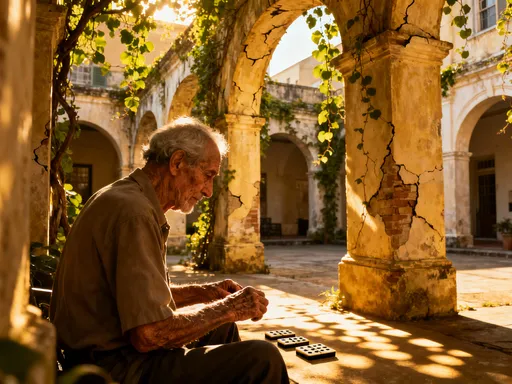
Little Havana, often celebrated as the heart of Miami’s Cuban culture, offers more than just tourist snapshots. It is where the scent of roasted pork and cumin lingers in the air, where elderly men debate politics over dominoes and tiny cups of strong cafecito. The neighborhood’s restaurants and street-side counters serve recipes that were brought over in suitcases and passed down through generations. A simple plate of black beans and rice, seasoned with onion, garlic, and a bay leaf, becomes a symbol of comfort and continuity. Croquetas, golden and crisp on the outside, filled with creamy béchamel and shredded ham, are more than snacks—they are edible heirlooms.
Meanwhile, in Hialeah, just a short drive west, the aroma of slow-roasted pork fills entire blocks. Here, lechón asado—whole pig marinated in sour orange, garlic, and oregano—is not reserved for holidays but appears at Sunday family gatherings, backyard barbecues, and neighborhood feasts. The tradition of communal cooking remains strong, with families gathering around open pits, rotating the meat for hours until the skin crackles and the meat falls apart at the touch. These moments are not just about eating; they are about connection, identity, and the passing of customs from elders to children.
Haitian influence, deeply rooted in neighborhoods like Little Haiti, brings another rich layer to Miami’s flavor profile. Soup joumou, a pumpkin-based stew traditionally eaten on New Year’s Day to commemorate Haiti’s independence, is a powerful example of food as resistance and resilience. Made with beef, plantains, yams, and winter squash, it is simmered for hours with Scotch bonnet peppers and fresh herbs. More than a meal, it is a declaration of freedom and survival. In local eateries, this dish is served with pride, often accompanied by warm Haitian bread or rice. The ingredients may vary slightly from one kitchen to another, but the story remains the same: food as liberation, nourishment, and cultural endurance.
What makes Miami’s food culture so compelling is not just the variety, but the authenticity with which it is preserved. Unlike cities where immigrant cuisines are diluted for mainstream palates, Miami allows these traditions to remain intact. The language of the menu, the rhythm of the service, the way meals are shared—all reflect a deep respect for origin. There is no need to Americanize the flavors; the city embraces them as they are. This culinary confidence is born from a population that sees its heritage not as something to be hidden, but celebrated.
Beyond the Food Truck: Finding Real Flavor in Unexpected Corners
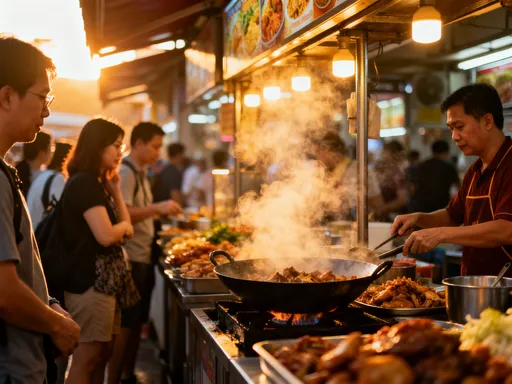
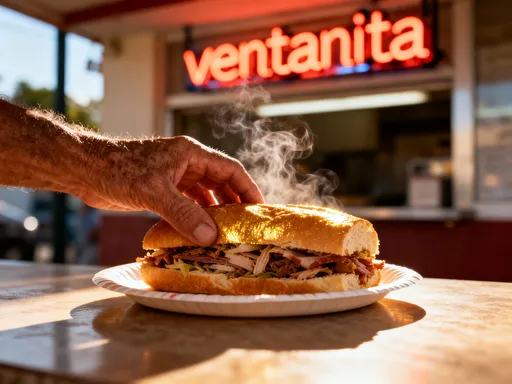
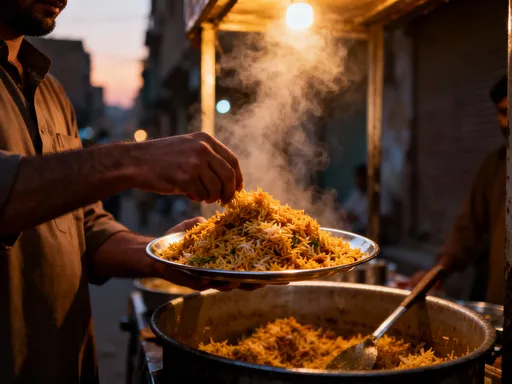
While food trucks have become symbols of urban dining innovation, some of Miami’s most authentic meals are found far from Instagrammable exteriors and curated menus. The true soul of the city’s cuisine lives in unassuming places: a walk-up window tucked between a laundromat and a pharmacy, a corner store with plastic tables under a fluorescent sign, or a family-run counter where the owner remembers your order after one visit. These spots, often called ventanitas, operate on simplicity, speed, and flavor. They are not designed for lingering, but for feeding people—real people—with real hunger.
At these hidden counters, the menu is often written in Spanish, the payment is cash-only, and the seating—if available—is plastic and folding. But none of that matters when you’re handed a warm pastelito de guayaba, its flaky crust giving way to a molten center of guava paste, sometimes paired with a sliver of white cheese. The contrast of sweet and tangy, warm and crisp, is unforgettable. Or consider the empanada, stuffed with spiced ground beef, olives, and raisins, then deep-fried until golden. It’s handheld perfection, meant to be eaten in a few bites, fingers slightly greasy, satisfaction immediate.
Breakfast in these neighborhoods often begins before sunrise, when the ventanitas open their windows and begin serving cortaditos—small, strong coffees cut with steamed milk. Paired with a warm croqueta or a cheese pastelito, it’s a ritual that fuels the day. There’s a rhythm to these mornings: the hiss of the espresso machine, the clatter of trays, the murmur of conversation in Spanish, Creole, or Spanglish. It’s not a performance for visitors; it’s the daily life of the community.
Finding these spots requires more than a Google search. They rarely appear on influencer lists or luxury travel guides. Instead, they are discovered through local advice, wandering without a map, or simply following the scent of frying plantains. Some are attached to bakeries that start their ovens at 4 a.m., churning out dozens of Cuban bread loaves for sandwiches later in the day. Others operate out of convenience stores where the owner also serves as the chef, cashier, and greeter. The lack of frills is part of the charm—the focus is on the food, not the ambiance.
For visitors, stepping into one of these spaces can feel intimidating. Menus may not be translated, and the pace can be brisk. But a smile, a simple “¿Qué recomienda?” (What do you recommend?), and a willingness to try something unfamiliar go a long way. Most locals are happy to guide newcomers, especially when they see genuine interest. The reward is not just a delicious meal, but a moment of connection—a shared nod over a well-made sandwich, a laugh when you mispronounce a dish, a sense of belonging, even if just for a few minutes.
A Day on the Plate: Following a Local’s Eating Rhythm
In Miami, eating is not just about sustenance; it is a structured rhythm that shapes the day. Locals don’t just eat whenever they’re hungry—they follow a culinary calendar that reflects cultural habits, family routines, and neighborhood life. Breakfast is early, lunch is hearty, and dinner can stretch late into the night, often accompanied by music, laughter, and stories. To eat like a Miamian is to align with this pace, to embrace the idea that meals are not interruptions, but the very fabric of daily life.
The day often begins with coffee—strong, sweet, and served in small cups. A cortadito or a cafecito is the essential morning ritual, usually paired with a pastry. In Cuban households, it’s common to dip a piece of Cuban bread into the coffee, soaking up the sweetness and caffeine. Some start with a media noche—a sandwich made with sweet egg bread, ham, roasted pork, Swiss cheese, pickles, and mustard—pressed until warm and crisp. It may seem heavy for breakfast, but in Miami, it’s a beloved tradition, especially on weekends when families gather for long, leisurely meals.
Lunch is typically the main event. The Cubano sandwich, perhaps the city’s most iconic dish, is a lunchtime staple. Made with layers of roasted pork, ham, Swiss cheese, pickles, and mustard on pressed Cuban bread, it is a study in balance—savory, tangy, creamy, and crunchy all at once. It’s often served with a side of tostones—twice-fried green plantains smashed into crispy discs—or maduros, sweet ripe plantains caramelized in oil. In Haitian neighborhoods, lunch might feature diri ak djon djon, a rich rice dish cooked with black mushrooms that give it a deep, earthy flavor, served alongside stewed beef or griot (fried pork).
Dinner in Miami is less about formality and more about gathering. Families come together, often at home, to share large platters of food. A typical spread might include ropa vieja—shredded beef stewed in tomatoes, peppers, and onions—served over rice with black beans. In Jamaican households, it might be curry goat with rice and peas. In Puerto Rican homes, arroz con gandules and roasted chicken take center stage. These meals are not rushed; they are savored, with seconds offered freely and dessert expected.
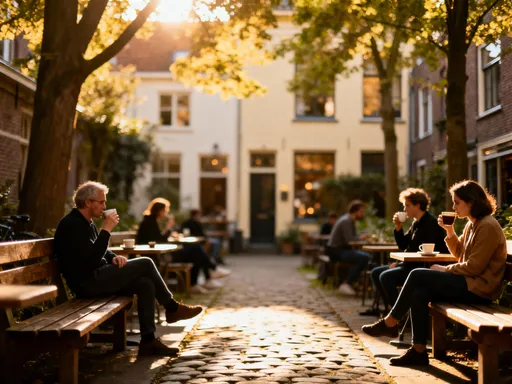
Evenings often extend into social events—music, dancing, or simply sitting on a porch with neighbors. In Little Havana, it’s common to see groups gathered around domino tables, sipping Medallas (a Puerto Rican lager) or rum cocktails, while someone grills chicharrones or passes around a plate of tequeños (cheese-filled pastries). Food is the glue that holds these moments together, transforming ordinary nights into celebrations. For visitors, joining these gatherings—even as quiet observers—offers a rare glimpse into the heart of Miami’s culture.
Seafood with Soul: From Fish Markets to Family Recipes
Living on a peninsula surrounded by the Atlantic Ocean and Biscayne Bay, Miami has access to some of the freshest seafood in the country. But here, fish is not just a commodity—it is treated with reverence. In coastal neighborhoods like Key Biscayne, Fisher Island, and the docks of Sea Isle City, fishermen still bring in their daily catch and sell directly to local cooks and markets. Snapper, grouper, yellowtail, and stone crab are not just menu items; they are seasonal treasures, prepared with care and respect.
One of the most cherished traditions is the use of mojo—a citrus and garlic sauce that is the backbone of Cuban cooking. Made with sour orange juice, garlic, cumin, oregano, and olive oil, it is used to marinate fish before grilling or roasting. The result is tender, flavorful seafood that lets the natural taste shine through. In Haitian kitchens, fish is often stewed with tomatoes, onions, and Scotch bonnet peppers, creating a spicy, aromatic broth served over rice. Jamaican preparations might include escovitch fish—whole snapper fried and topped with a vibrant mix of pickled vegetables and hot peppers.
Stone crab season, which runs from October to May, is a highly anticipated event. The claws are harvested sustainably—fishermen remove one claw and return the crab to the ocean, allowing it to regenerate. Served cold with mustard sauce, stone crab claws are a delicacy that draws locals and visitors alike. The ritual of cracking the shell, extracting the sweet meat, and dipping it into sauce is as much a part of the experience as the flavor itself. Markets like the Historic Overtown Folklife Village or small docks in the Keys often host seasonal seafood events where families come to buy fresh catch and share recipes.
What sets Miami’s seafood culture apart is the deep connection between the ocean and the kitchen. Many families have roots in fishing communities, and recipes are passed down through generations. A grandmother might teach her granddaughter how to clean a snapper, how to season it just right, how to know when the fish is perfectly cooked. These lessons are not just about technique—they are about respect for the sea, for tradition, and for the labor that brings food to the table. In a world where seafood is often mass-processed and shipped across continents, Miami holds onto a more intimate, sustainable relationship with its waters.
Sweet Endings: Where Tradition Meets Craving
In Miami, dessert is not an afterthought—it is a celebration. Every culture represented in the city has its own sweet legacy, and these treats are often tied to holidays, family gatherings, and acts of love. The flavors are bold: tropical fruits, rich custards, warm spices, and deep caramel. But more than taste, these desserts carry emotional weight—they are made for birthdays, baptisms, anniversaries, and even funerals. To eat one is to participate in a tradition.
One of the most beloved sweets is flan, a silky caramel custard that wobbles just right when served. Cuban flan is often made with condensed milk, giving it a dense, creamy texture. When inverted, the dark caramel sauce flows over the edges like liquid gold. Another favorite is the quesito, a puff pastry filled with sweet cream cheese and baked until golden. Often enjoyed with morning coffee, it’s a simple pleasure that feels luxurious. Then there’s the pastelito de guayaba y queso, where guava paste and white cheese are wrapped in flaky dough and fried—sweet, tangy, and utterly satisfying.
Haitian desserts offer their own richness. Pain patate, a spiced sweet potato pudding, is made with grated yams, coconut milk, cinnamon, and nutmeg, then baked until firm. It’s often served during holidays and family reunions, symbolizing warmth and togetherness. Douce de coco, a coconut candy, is another staple—chewy, sweet, and made in home kitchens during festive seasons. Jamaican gizzada, a coconut tart with a crisscross top, and Puerto Rican tembleque, a coconut pudding dusted with cinnamon, add even more variety to the city’s dessert landscape.
These sweets are more than indulgences; they are acts of cultural preservation. Many are still made in home ovens, wrapped in foil, and brought to gatherings in Tupperware containers. Bakeries in immigrant neighborhoods keep these recipes alive, often using the same methods for decades. For visitors, seeking out these desserts—whether at a small café, a church bazaar, or a family-owned shop—is a way to honor the people who make them. It’s a reminder that sweetness, in Miami, is not just about sugar—it’s about memory, generosity, and the joy of sharing.
Navigating the Scene: Practical Tips for Eating Like a Local
To truly experience Miami’s food culture, one must be willing to step off the beaten path and embrace a few practical realities. Many of the best spots do not accept credit cards, have limited signage, or operate on unpredictable hours. But these are not obstacles—they are part of the adventure. With a little preparation and an open mind, any visitor can eat like a local and enjoy a more authentic, rewarding experience.
First, carry cash. Many ventanitas, family-run eateries, and small markets operate on a cash-only basis. Having small bills on hand makes transactions smoother and shows respect for the way these businesses function. Second, learn a few key phrases in Spanish or Creole. While many owners speak English, using simple phrases like “Por favor,” “Gracias,” or “¿Qué es esto?” (What is this?) can open doors and create goodwill. Translation apps can be helpful, but a genuine effort to communicate goes further.
Timing matters. Some places open early and sell out by midday. Cuban bakeries, for example, are best visited in the morning when pastries are fresh from the oven. Seafood markets may have limited availability later in the week. Going during off-peak hours—late morning or early afternoon—can mean shorter lines and more time to chat with the staff. It also reduces the pressure to rush, allowing for a more relaxed experience.
Safety and respect are essential. Stick to well-lit, populated areas, and trust your instincts. Avoid flashing valuables or drawing attention. Most importantly, approach each meal with curiosity and humility. These kitchens are not performing for tourists—they are feeding their communities. By eating quietly, thanking the staff, and following local customs (like not asking for substitutions in traditional dishes), visitors show that they value the culture, not just the cuisine.
Why Miami’s Food Culture Matters—And How to Honor It
Miami’s food is more than a collection of recipes—it is a living archive of migration, resilience, and joy. Every bite tells a story: of families who left their homelands with nothing but memories and skills, of communities that built new lives while holding tight to tradition, of generations that kept recipes alive through war, displacement, and hardship. When we choose to eat at family-run restaurants, to try dishes we’ve never heard of, to sit at a plastic table under a neon sign, we are not just feeding ourselves—we are supporting survival, dignity, and cultural pride.
In an era of chain restaurants and algorithm-driven menus, Miami stands as a reminder that food can still be personal, meaningful, and deeply human. It challenges us to slow down, to listen, to taste with intention. Every meal here is an invitation—to learn, to connect, to honor the hands that prepared it. Travelers don’t need to become experts to participate. They only need to be present, respectful, and open-hearted.
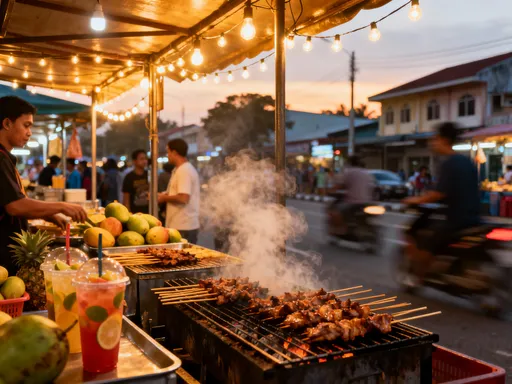
So the next time you find yourself in Miami, skip the rooftop bar with the panoramic view. Instead, follow the smell of garlic and citrus, the sound of a sizzling grill, the laughter from a domino table. Let the food lead you. Order the dish you can’t pronounce. Smile when the owner hands you a sample. Stay a little longer than planned. Because in Miami, the most beautiful moments aren’t found in guidebooks—they’re served on paper plates, with a side of history, and a heart full of flavor.