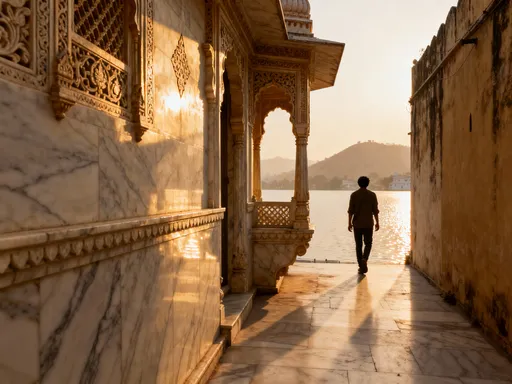
Lost in the Lanes of Fes: Where Every Wall Whispers History
You know that feeling when a city grabs you by the soul and refuses to let go? That’s Fes. Wandering its labyrinthine alleys, I was stunned by the silent grandeur of centuries-old architecture—carved cedar, zellige mosaics, and doorways that feel like portals. This isn’t just travel; it’s time travel. Fes doesn’t shout its beauty—it leans in and whispers it. If you crave authenticity, this Moroccan gem delivers, one hidden courtyard at a time.
First Impressions: Stepping into a Living Museum
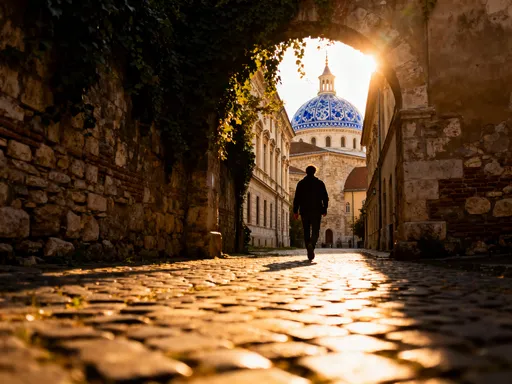
Fes greets visitors not with the clamor of modern life, but with the quiet pulse of history. From the moment you step through Bab Bou Jeloud, the iconic blue-tiled gate that serves as the grand entrance to the medina, you are no longer in an ordinary city. The air changes—thicker with the scent of spices, leather, and sun-warmed stone. The sounds shift from car horns to the rhythmic clip-clop of donkey hooves on cobblestone, the call to prayer drifting from the Kairaouine Mosque, and the soft murmur of merchants arranging their wares. This is not a reconstructed heritage site or a tourist stage set. Fes el-Medina is a UNESCO World Heritage site precisely because it has never stopped living. Over 9,000 alleyways twist and turn like veins through the ancient city, forming a dense, human-scaled urban fabric that has evolved organically over more than a thousand years.
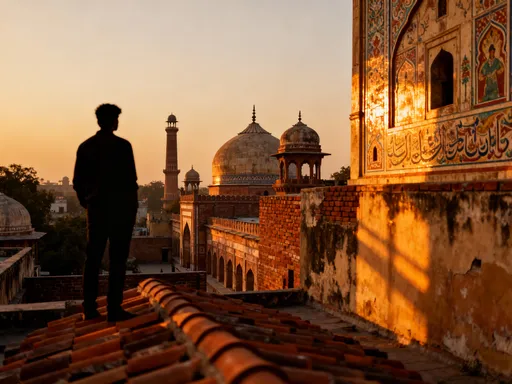
What strikes most travelers immediately is the absence of vehicles. In the heart of Fes el-Bali, cars are forbidden. Instead, goods are transported by hand or on the backs of donkeys, a sight that at first seems archaic but soon feels perfectly natural. This restriction preserves not only the structural integrity of the narrow lanes but also the city’s rhythm. Life here moves at the pace of conversation, of prayer, of craftsmanship. The skyline is marked not by glass towers but by minarets—slender, elegant spires that rise above the rooftops, each one a beacon of spiritual continuity. The city’s layout reflects centuries of Islamic urban planning, where privacy, community, and faith are woven into the very streets.
As you wander deeper, the sensory immersion intensifies. Sunlight filters through wooden latticework, casting intricate shadows on the ground. The walls, made of rammed earth and plaster, absorb the heat during the day and release it slowly at night, a passive cooling system far ahead of its time. The architecture speaks of adaptation—not just to climate, but to culture. Homes are built inward, their exteriors plain and unassuming, shielding the beauty within from public view. This modesty is not poverty of design, but a deliberate expression of Islamic values: humility, family, and the sanctity of private life. To walk Fes is to understand that a city can be both dense and serene, ancient and alive.
The Soul of the Medina: Exploring Fes el-Bali
Fes el-Bali, the old medina of Fes, is one of the world’s oldest continuously inhabited urban centers. Founded in the 8th century and expanded significantly in the 9th, it has grown not by demolition and renewal, but by careful layering—each generation adding to the city without erasing what came before. Today, it stands as a rare example of medieval Islamic urbanism, where the street plan has remained largely unchanged for over a millennium. The medina is divided into distinct quarters, or *fonds*, each historically associated with a particular craft or community—dyers, weavers, metalworkers, scholars. This organization wasn’t arbitrary; it was a reflection of social structure, economic function, and religious life.
The vertical density of Fes el-Bali is remarkable. Buildings rise four, five, even six stories high, yet the alleys between them are often no wider than a few feet. This compact design was born of necessity—land within the city walls was precious, and families expanded upward rather than outward. But it also created a unique microclimate. The narrow streets provide shade, reducing temperatures by several degrees compared to the open sun. Air circulates through a network of courtyards and ventilation shafts, a natural system that keeps interiors cool and fresh. Even today, without air conditioning, many homes remain comfortable year-round thanks to this ancient wisdom.
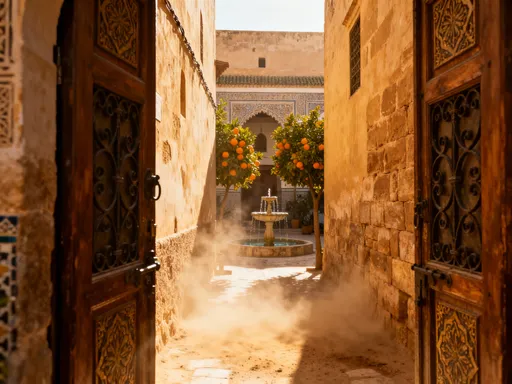
At the heart of this urban fabric are the *riads*—traditional Moroccan houses built around a central courtyard. These inward-facing homes are architectural metaphors for privacy and family life. From the outside, a riad may appear unremarkable, its only feature a heavy wooden door. But step inside, and you enter a world of color, light, and tranquility. The courtyard typically features a fountain, symbolizing life and purity, surrounded by citrus trees, jasmine, or roses. Above, galleries on upper floors open onto the open sky, allowing light and air to penetrate deep into the structure. The walls are adorned with zellige tilework, carved plaster, and painted wood—every surface a testament to craftsmanship. These homes were not built for display but for living, their design shaped by generations of cultural and environmental intelligence.
Doors That Speak: Symbolism in Wood and Iron
In Fes, doors are not mere entrances—they are storytellers. Some stand over twelve feet tall, crafted from solid cedar wood, reinforced with iron studs, and carved with such precision that the patterns seem to shift in the changing light. Each door is a work of art, but also a statement of identity. The motifs etched into the wood are rich with meaning. Geometric star patterns represent the infinite nature of creation, a reflection of divine unity. Floral designs echo paradise gardens described in the Quran. Horseshoe arches point to Andalusian influences, a reminder of the deep cultural exchange between North Africa and southern Spain during the Islamic Golden Age.
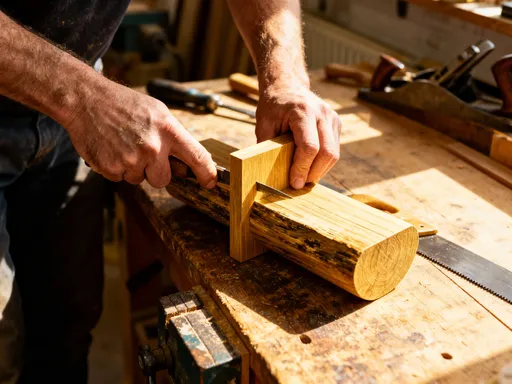
Many doors bear the *khamsa*, or Hand of Fatima, a protective symbol believed to ward off the evil eye. Others are inscribed with verses from the Quran, inviting blessings into the home. The placement of these elements is deliberate—often at eye level or above the threshold, where they can be seen but not touched, preserving their sanctity. The craftsmanship involved in creating these doors is extraordinary. In the artisan quarters of the medina, woodworkers still use hand chisels, mallets, and traditional gouges to shape the cedar. The process can take weeks or even months, depending on the complexity of the design. These artisans are not just carpenters; they are custodians of a legacy, passing down techniques from father to son across generations.
What makes these doors even more remarkable is their endurance. Many have stood for centuries, surviving wars, floods, and the slow decay of time. They are not preserved in museums but in daily use—opened and closed by families who may not even know the full meaning of the symbols they pass through each day. Yet the language of the door remains. To study a Fes door is to read a page of history, faith, and artistry. It is a reminder that beauty can be both functional and profound, that a threshold can carry the weight of memory.
Zellige: The Art of Infinite Patterns
No element of Fes’s architecture is more instantly recognizable than zellige—the dazzling mosaic tilework that adorns mosques, fountains, madrasas, and private homes. Composed of hand-chiseled pieces of colored clay, each tile is painstakingly shaped and fitted into complex geometric compositions. From a distance, the patterns appear seamless, a shimmering tapestry of color and symmetry. Up close, you see the slight irregularities—the tiny gaps, the hand-cut edges—that give the work its humanity. Zellige is not mass-produced; it is a living craft, still practiced in small workshops tucked within the medina’s alleys.
The creation of zellige begins with raw clay, shaped into square tiles and fired in wood-burning kilns. Once cooled, the tiles are hand-cut into precise shapes—triangles, diamonds, stars—using a metal hammer and cutting tool. Artisans work without templates, relying instead on centuries-old knowledge of geometry. The designs are based on mathematical principles found in Islamic art: repetition, symmetry, and the avoidance of figurative representation. A single panel might contain hundreds of individual pieces, each colored with natural pigments—cobalt blue, emerald green, terracotta red, ivory white. The assembly is done on a bed of mortar, piece by piece, like a puzzle that only the maker can fully understand.
But zellige is more than decoration. It carries spiritual significance. The endless repetition of patterns symbolizes the infinite nature of God. The precision reflects divine order. In religious buildings like the Al-Attarine Madrasa or the Bou Inania Mosque, zellige covers walls and columns, drawing the eye upward, guiding the soul toward contemplation. Even in homes, the use of zellige is not merely aesthetic; it is an act of devotion, a way of bringing sacred geometry into daily life. Today, there are fewer than a hundred master zellige craftsmen in Fes, and the craft is taught through apprenticeship, not formal schools. To preserve this art is to preserve a way of thinking—one that values patience, precision, and the beauty of the unseen.
Hidden Courtyards: The Secret Gardens Within
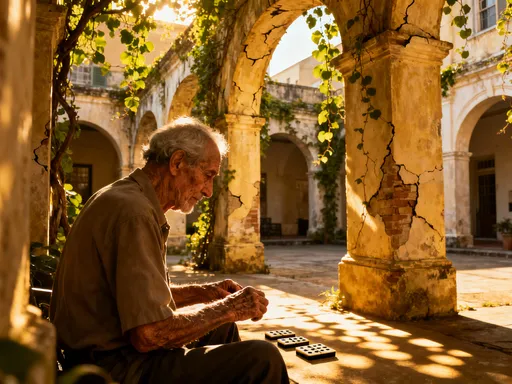
Beyond the austere façades of Fes’s homes lie some of the city’s most breathtaking spaces—hidden courtyards that serve as private sanctuaries. These riad gardens are oases of calm, designed to nurture both body and spirit. A typical courtyard features a central fountain, often octagonal or circular, surrounded by citrus trees—blossoming orange, lemon, or bitter Seville trees whose scent fills the air. The walls rise high, blocking out the noise of the streets, while the open sky above allows light to flood in during the day and stars to appear at night. The effect is one of enclosure and expansion at once—a space that feels both intimate and infinite.
The design of these courtyards is deeply intentional. In Islamic architecture, the garden is a symbol of paradise—a place of harmony, abundance, and peace. The four-part layout, with water channels dividing the space into quadrants, echoes the Quranic description of paradise as a garden with rivers flowing beneath. The use of water is not just symbolic; it is functional. The sound of flowing water cools the air through evaporation and masks outside noise, enhancing privacy. The fountain also serves as a focal point for family life—children play nearby, elders rest in shaded corners, meals are sometimes taken under the open sky.
Many of these courtyards are now part of boutique hotels and guesthouses, allowing visitors to experience traditional Fes living. Restored riads like Riad Fes or Dar Seffarine offer modern comfort without sacrificing authenticity. Guests wake to the sound of birds in the courtyard, sip mint tea under carved wooden galleries, and sleep in rooms decorated with hand-painted ceilings and zellige accents. But even in these adapted spaces, the original purpose remains clear: to create a haven from the world. The architecture supports well-being, not through luxury, but through balance—light and shadow, sound and silence, movement and stillness. In a time when homes are often designed for show, Fes reminds us that the most meaningful spaces are those built for living.
Crafting the Past: Living Traditions in the Medina
Fes is not a city frozen in time—it is a city where time has depth. While many historic cities preserve their past in museums, Fes keeps its heritage alive through daily practice. The medina remains a working city, where artisans produce goods using methods unchanged for centuries. In the Chouara Tannery, one of the oldest in the world, workers still dye leather using natural pigments—indigo, saffron, poppy—and traditional fixatives like pigeon droppings, which soften the hides. The vats, arranged in a sunken courtyard, emit a strong odor, but the colors they produce—deep reds, rich yellows, earthy browns—are unmatched in their vibrancy. Visitors are encouraged to watch from nearby balconies, where mint leaves are handed out to mask the smell, a small but thoughtful gesture of hospitality.
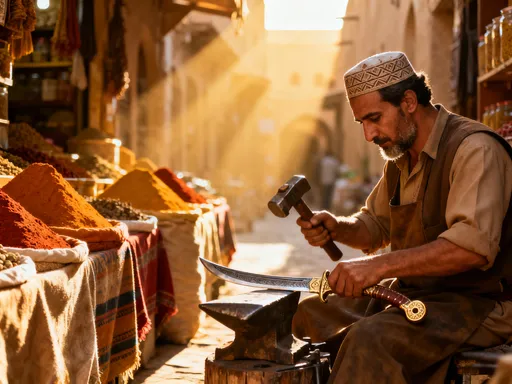
Just a short walk away, metalworkers hammer copper and brass into lanterns, trays, and teapots, their rhythmic tapping echoing through the alley. Woodcarvers shape cedar into doors, furniture, and decorative panels, using tools that would be familiar to their ancestors. Pottery workshops produce hand-thrown vessels glazed in traditional patterns, while weavers create kilims and rugs on looms that have stood in the same spot for generations. These crafts are not performed for tourists; they are part of the city’s economy and identity. Many families have specialized in a single trade for centuries, passing down skills with pride and precision.
The architecture of Fes supports this continuity. Workshops are often located on the ground floor of homes, with living quarters above. Communal spaces like hammams (traditional bathhouses) and mosques serve not only religious functions but also social ones, reinforcing community bonds. Historic grain storage units, known as *habbus*, once ensured food security during droughts and remain symbols of collective resilience. This integration of life, work, and faith is what makes Fes unique. It is not a relic, but a living system—one where the past is not remembered, but lived.
Traveler’s Guide: Navigating Fes with Respect and Awareness
To visit Fes is to participate in a delicate balance. The city welcomes travelers, but it does not exist for them. To truly appreciate its architecture and culture, visitors must move with respect and mindfulness. The medina’s maze-like alleys can be disorienting—maps are often useless, and GPS unreliable. The best way to navigate is with a licensed local guide, whose knowledge goes beyond directions. They can explain the meaning behind a carved doorway, introduce you to a master artisan, or help you find a quiet courtyard away from the crowds. Hiring a guide also supports the local economy and ensures that tourism benefits the community.
Dress is another important consideration. While Fes is welcoming, it is also a conservative city. Both men and women should dress modestly, covering shoulders and knees. This is not only respectful but practical—loose, breathable clothing helps regulate body temperature in the warm climate. Comfortable walking shoes are essential; the streets are uneven, often slippery, and can be crowded. Carrying water is recommended, as hydration is key, especially in summer months. A small bag with a phrasebook or translation app can enhance interactions—simple greetings like “Salam alaikum” (peace be upon you) and “Shukran” (thank you) are warmly received.
The best times to explore are early morning or late afternoon, when the light is soft and golden, illuminating the zellige and carved wood in the most flattering way. The streets are quieter, the air cooler, and the shadows longer, creating a more contemplative atmosphere. Avoid midday, when the sun beats down and the alleys become ovens. If you plan to visit religious sites, be aware that non-Muslims are not permitted inside mosques like Kairaouine, but you can admire their exteriors and courtyards. Always ask permission before photographing people, especially women and children. And remember: Fes is not a stage. It is a home. Your presence should be gentle, curious, and grateful.
Conclusion: A City That Builds Memory
Fes does not perform its history—it inhabits it. Every wall, every doorway, every tile is the result of intention, not accident. This is a city built not for spectacle, but for meaning. Its architecture reflects a worldview that values craftsmanship over convenience, community over isolation, and quiet beauty over noise. In an age of rapid change, where cities are constantly reinvented, Fes stands as a testament to endurance—the idea that some ways of living are worth preserving.
To walk the lanes of Fes is to experience time differently. You are not just seeing the past; you are moving through it, touching it, breathing it. The city does not shout its wonders. It waits. It allows you to discover them slowly, one hidden courtyard, one carved door, one mosaic at a time. And in that slowness, there is revelation. For the thoughtful traveler—especially those who value tradition, authenticity, and the quiet dignity of everyday life—Fes is not just a destination. It is a mirror. It asks: What kind of world do we want to build? And what kind of beauty are we willing to protect?