What I Ate Every Day Helped Me Feel Like Myself Again While Pregnant
Pregnancy brought waves of changes I wasn’t ready for—fatigue, nausea, mood swings—and I felt lost until I started paying real attention to what I ate. Small tweaks in my meals didn’t just calm my morning sickness; they gave me steady energy and better sleep. This isn’t about strict diets or crazy rules—it’s about eating in a way that supports you and your baby, based on what actually worked for me. Food became my anchor during a time of constant change, not because I followed a trendy plan, but because I learned to listen to my body and respond with kindness and knowledge. What I discovered wasn’t magic—it was science, simplicity, and self-awareness working together.
The Hidden Power of Food During Pregnancy
When people say “eating for two,” it often conjures images of double portions and endless snacking. But in reality, the phrase is more poetic than practical. During most of pregnancy, your caloric needs increase only slightly—by about 300–350 extra calories per day in the second trimester and 450 in the third. The real shift isn’t in quantity, but in quality. Every bite carries the potential to shape your baby’s development and support your own well-being. Nutrients like folic acid, iron, calcium, protein, and omega-3 fatty acids aren’t just recommended—they’re essential building blocks for a growing nervous system, strong bones, and healthy blood supply.
What many women don’t realize is how deeply food influences not only physical health but emotional balance and energy levels. Blood sugar swings, for instance, can trigger nausea, irritability, and sudden fatigue. When meals lack balance—too many refined carbohydrates, not enough protein or fat—the body struggles to maintain stability. This can lead to cravings, mood dips, and sleep disturbances. Eating with intention means understanding that food is not just fuel, but information. It tells your body how to function, how to feel, and how to respond to the demands of pregnancy.
One common misconception is that certain foods must be completely avoided. While it’s true that raw fish, undercooked meats, and unpasteurized dairy carry risks and should be limited or eliminated, many women unnecessarily cut out entire food groups like dairy or gluten without medical reason. These restrictions can lead to nutrient gaps if not carefully managed. Instead of fear-based eating, the goal should be informed choices—prioritizing whole, nutrient-dense foods while minimizing processed items high in sugar, sodium, and unhealthy fats. This approach supports both maternal health and fetal development without creating unnecessary stress around food.
Another overlooked truth is that digestion changes during pregnancy. Hormonal shifts slow gastrointestinal motility, which can cause bloating, constipation, and heartburn. This means that even healthy foods can feel uncomfortable if eaten at the wrong time or in large quantities. Understanding these changes allows for smarter meal planning—smaller, more frequent meals; mindful chewing; and proper food combinations can make a significant difference in how you feel throughout the day. Food isn’t just about what you eat, but how and when you eat it.
My Go-To Breakfasts That Stopped Morning Sickness in Its Tracks
Morning sickness was one of the hardest parts of early pregnancy for me—not just the nausea, but the unpredictability of it. Some days I could eat toast without issue; other days, the smell of coffee made me run for the bathroom. What finally helped wasn’t a pill or a remedy, but a consistent breakfast routine built on gentle, nourishing ingredients. My most reliable meal became avocado toast on whole grain bread with a squeeze of lemon and a side of hard-boiled egg. This combination worked because it balanced healthy fats, complex carbohydrates, and high-quality protein—all of which help stabilize blood sugar and reduce nausea triggers.
Avocados are rich in monounsaturated fats and potassium, both of which support cell development and help regulate fluid balance. The healthy fat content slows digestion slightly, preventing the sharp insulin spikes that can worsen nausea. Whole grain bread provides fiber and sustained energy, unlike white bread, which can cause a quick rise and fall in blood sugar. Adding lemon not only enhanced flavor but also stimulated digestion and reduced the metallic taste some women experience during pregnancy. The hard-boiled egg contributed about six grams of complete protein, which helped me stay full longer and prevented the mid-morning crash that often led to queasiness.
Timing mattered as much as content. I learned to eat something within 15–20 minutes of waking, even if I didn’t feel hungry. Going too long without food would drop my blood sugar and bring on waves of nausea. Sometimes, I’d keep a small bowl of oatmeal with a spoonful of peanut butter ready by my bedside so I could take a few bites before getting up. Oats are high in soluble fiber and contain avenanthramides, compounds that may help reduce inflammation and support stable energy. Pairing them with a bit of fat and protein made them even more effective at keeping me steady.
Another breakfast that became a staple was a smoothie made with banana, spinach, Greek yogurt, chia seeds, and almond milk. It was easy to digest, cool on the stomach, and packed with nutrients. The banana provided natural sweetness and potassium, which helped with muscle function and hydration. Spinach added iron and folate—two critical nutrients during pregnancy—without altering the taste when blended. Greek yogurt contributed probiotics for gut health and extra protein, while chia seeds offered omega-3s and fiber. This smoothie was especially helpful on days when solid food felt overwhelming, yet I knew I needed nourishment.
Snacking Smart: How I Stayed Full Without Overeating
One of the most important shifts in my eating pattern was moving from three large meals to five or six smaller ones throughout the day. This wasn’t about eating more—it was about eating smarter. Large meals stretched my stomach, increased pressure on my digestive system, and often led to heartburn, especially as my uterus expanded. Smaller, more frequent meals helped maintain steady energy, prevented extreme hunger, and reduced digestive discomfort. Snacking became less about indulgence and more about strategic nourishment.
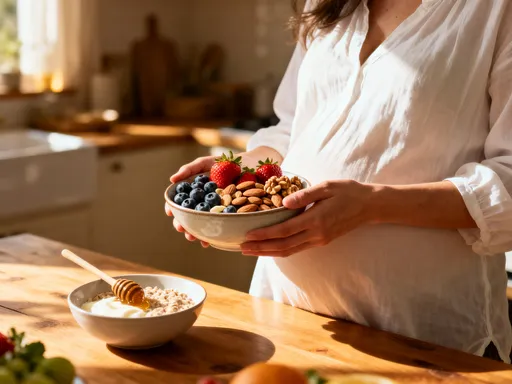
I focused on pairing protein with fiber-rich carbohydrates or healthy fats in every snack. This combination slows digestion, keeps blood sugar stable, and increases satiety. For example, apple slices with almond butter became a go-to. The apple provided fiber and natural sugars for quick energy, while the almond butter delivered protein and fat to prevent a crash. Cottage cheese with a sprinkle of cinnamon and a few blueberries was another favorite. Cottage cheese is high in casein, a slow-digesting protein that keeps you full for hours, and the cinnamon helped regulate blood sugar response. I also enjoyed whole grain crackers with hummus, which offered plant-based protein, fiber, and healthy fats from chickpeas and tahini.
Portion control was key. Even healthy snacks can add up in calories if eaten mindlessly. I started using small bowls or containers instead of eating straight from the bag. This simple habit helped me stay aware of how much I was consuming. I also paid attention to hunger cues—asking myself whether I was truly hungry or just bored, stressed, or thirsty. Drinking a glass of water before reaching for a snack often revealed that what I thought was hunger was actually mild dehydration.
Snacks also played a role in preventing common pregnancy issues like constipation and gestational diabetes. High-fiber options such as berries, pears, oats, and legumes supported regular bowel movements, while avoiding sugary treats helped maintain insulin sensitivity. I limited packaged snacks with added sugars and artificial ingredients, opting instead for whole foods that I could prepare in advance. Having a few healthy options ready in the fridge—like boiled eggs, cut vegetables, or yogurt cups—made it easier to make good choices when I was tired or short on time.
Fighting Fatigue with Real Food (Not Supplements)
Fatigue during pregnancy is more than just tiredness—it’s a deep, bone-weary exhaustion that no amount of sleep seems to fix. In the first and third trimesters especially, many women report feeling drained even after a full night’s rest. While prenatal vitamins are important, they’re not a substitute for a nutrient-rich diet. One of the most impactful changes I made was increasing my intake of iron-rich foods, not just to prevent anemia, but to support my body’s increased blood volume and oxygen delivery.
During pregnancy, blood volume increases by up to 50%, and the body needs more iron to produce hemoglobin—the protein in red blood cells that carries oxygen. Without enough iron, tissues receive less oxygen, leading to fatigue, weakness, and difficulty concentrating. I started incorporating lentils, spinach, lean ground turkey, and black beans into my meals several times a week. Lentils, for example, provide about 6.5 milligrams of iron per cooked cup, along with fiber and folate. Spinach, especially when lightly sautéed, offers both iron and vitamin C, which enhances absorption.
But iron alone isn’t enough—your body needs vitamin C to absorb it effectively. I made a habit of pairing iron-rich plant foods with vitamin C sources. For instance, I’d add bell peppers or tomatoes to lentil soup, squeeze lemon over cooked spinach, or have an orange after a bean burrito. This simple pairing can increase iron absorption by up to six times. Animal-based iron (heme iron) from meat, poultry, and fish is more easily absorbed than plant-based (non-heme) iron, so including moderate amounts of lean meat in the diet can be beneficial for those who eat it.
I also reduced foods that inhibit iron absorption, such as coffee and tea, especially around meals. Tannins in these beverages can bind to iron and reduce its uptake. I shifted my coffee to mid-morning, well after breakfast, and limited tea to later in the day. Additionally, I paid attention to my overall energy balance—eating regular meals, staying hydrated, and getting gentle movement like walking or prenatal yoga. These habits, combined with a diet rich in iron and supporting nutrients, made a noticeable difference in how I felt by the end of the second trimester.
Foods That Gave Me Better Sleep and Eased Anxiety
Sleep disturbances and anxiety are common during pregnancy, often intertwined. Hormonal fluctuations, physical discomfort, and the emotional weight of impending motherhood can make restful nights elusive. While I couldn’t control all the factors, I found that my diet played a surprisingly large role in calming my mind and preparing my body for sleep. Certain nutrients, when consistently included in meals, helped regulate mood and support relaxation.
Magnesium became one of my most valued allies. This mineral is involved in over 300 enzymatic reactions in the body, including those that regulate neurotransmitters and muscle relaxation. Many women are mildly deficient in magnesium, and pregnancy increases the demand. I focused on foods like bananas, pumpkin seeds, almonds, and dark leafy greens. A small handful of pumpkin seeds, for example, contains nearly 20% of the daily recommended intake. I’d add them to yogurt, salads, or eat them as a bedtime snack with a slice of banana. The combination provided magnesium, potassium, and natural carbohydrates, which may help increase tryptophan availability—a precursor to serotonin and melatonin.
Omega-3 fatty acids, particularly DHA, are crucial for fetal brain development and have been linked to improved maternal mood. I included fatty fish like salmon twice a week, staying within FDA guidelines for low-mercury seafood. For plant-based sources, I used chia seeds, flaxseeds, and walnuts daily. These foods don’t contain DHA directly but provide ALA, which the body can convert in small amounts. I also continued taking a prenatal vitamin with DHA, but I viewed it as a complement to, not a replacement for, dietary sources.
Caffeine was another factor I adjusted carefully. While moderate caffeine intake (less than 200 milligrams per day) is generally considered safe during pregnancy, I found that even small amounts after noon disrupted my sleep. I switched to decaffeinated tea in the afternoon and eliminated soda entirely. I also reduced processed sugar, which caused energy spikes and crashes that worsened anxiety. Instead of sugary desserts, I satisfied my sweet tooth with fruit, cinnamon-dusted cottage cheese, or a small piece of dark chocolate. These choices provided satisfaction without the jittery aftermath.
Hydration Hacks That Actually Worked for Me
Staying hydrated sounds simple, but during pregnancy, it’s both more important and more challenging. The body needs extra fluids to support increased blood volume, amniotic fluid production, and kidney function. Dehydration can lead to headaches, dizziness, constipation, and even preterm contractions in extreme cases. Yet, drinking plain water all day felt boring, and I often forgot until I was already thirsty—a late sign of dehydration.
My solution was to make hydration more enjoyable and consistent. I started adding fresh lemon slices to my water, which enhanced flavor and provided a small boost of vitamin C. I also experimented with herbal infusions like peppermint, ginger, and chamomile tea—naturally caffeine-free options that soothed my stomach and encouraged fluid intake. Ginger tea, in particular, helped with nausea and digestion, making it a dual-purpose drink. Coconut water became another favorite, especially after light exercise or on hot days. It contains electrolytes like potassium and magnesium, which help maintain fluid balance without the added sugars found in many sports drinks.
I also learned to space out my fluids rather than drink large amounts at once. Gulping water quickly could lead to bloating and discomfort, especially as my growing baby left less room for expansion. Instead, I kept a reusable bottle with time markers and aimed to sip steadily throughout the day. I paid attention to urine color as a quick indicator—pale yellow meant I was on track, while dark yellow signaled I needed more fluids.
Another insight was recognizing that thirst can be mistaken for hunger. Several times, I reached for a snack only to realize minutes later that I was actually thirsty. Making it a habit to drink a glass of water before eating helped me tune into my body’s true needs. I also limited sugary drinks and artificial sweeteners, which offered no nutritional benefit and sometimes worsened cravings. Hydration, I learned, wasn’t just about quantity—it was about quality, timing, and listening.
When to Trust Your Gut (And When to Check with Your Doctor)
One of the most empowering parts of pregnancy is learning to trust your body. Cravings, aversions, and intuitive food choices often have a biological basis—your body may be signaling a need for certain nutrients or rejecting foods that don’t agree with your current state. For example, a sudden desire for red meat might reflect a need for iron, while an aversion to strong-smelling foods could protect you from potential foodborne illness. These instincts are worth honoring, but they should be balanced with medical guidance.
There were times when my cravings leaned toward less nutritious options—like pickles, ice cream, or salty chips. While occasional indulgence is normal and even healthy for emotional well-being, I made sure these didn’t replace nutrient-dense meals. When cravings felt excessive or unusual—such as a persistent desire to eat non-food items like ice or clay—I knew it was time to talk to my doctor. Pica, the craving for non-nutritive substances, can indicate iron deficiency or other underlying conditions and requires professional evaluation.
Digestive issues like persistent heartburn, severe constipation, or unexplained nausea also warranted medical input. While dietary adjustments can help, they’re not always enough. My doctor monitored my weight gain, nutrient levels, and overall health, offering personalized advice based on my history and needs. She reminded me that every pregnancy is different—what worked for me might not work for someone else, and that’s okay.
Safe food practices were another area where professional guidance was essential. I consulted reliable sources and my healthcare provider about which cheeses were safe, how to handle deli meats, and which fish to avoid. These conversations helped me make informed decisions without unnecessary fear. Ultimately, the goal was to combine self-awareness with expert advice, creating a balanced, safe, and sustainable approach to eating during pregnancy.
Eating with Intention, Not Fear
Looking back, the most valuable lesson I learned wasn’t about specific foods or perfect meal plans—it was about shifting my mindset. Pregnancy nutrition doesn’t have to be stressful, restrictive, or overwhelming. It’s not about achieving perfection, but about making consistent, compassionate choices that honor both mother and child. Food became a form of self-care, a daily opportunity to nurture myself and support my baby’s growth.
The changes I made weren’t drastic. They were small, sustainable adjustments—choosing whole grains over refined ones, adding a source of protein to every meal, drinking water before snacks, and listening to my body’s signals. These habits didn’t eliminate all discomfort, but they gave me more energy, better sleep, and a greater sense of control during a time of profound change. I felt more like myself, not in spite of pregnancy, but within it.
Every woman’s journey is unique. What worked for me may need to be adapted to fit your body, preferences, and medical needs. The key is to approach food with curiosity and kindness, not judgment. Celebrate the progress you make, no matter how small. Ask questions, seek reliable information, and partner with your healthcare provider. When you eat with intention—focusing on nourishment, balance, and well-being—you’re not just feeding a baby. You’re strengthening your own resilience, laying the foundation for a healthier postpartum recovery, and modeling a positive relationship with food for the future. That, to me, is the true power of mindful eating during pregnancy.